
Lebanese gypsophila
Gypsophila libanotica
Description
Growing requirements
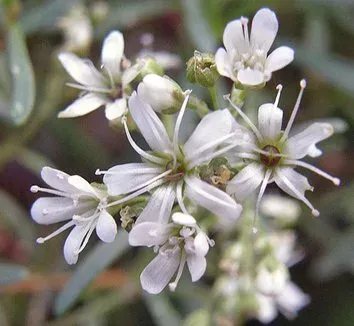
Lebanese gypsophila (Gypsophila libanotica) is a perennial herbaceous plant belonging to the Caryophyllaceae family. It is native to the rugged, high-altitude landscapes of Lebanon and surrounding regions, characterized by a rocky and arid environment.
Botanically, it is classified as a cushion-forming species with a deep, taproot system designed to anchor the plant in loose, stony soil. Its foliage consists of narrow, glaucescent leaves that help reduce transpiration rates in harsh, sun-drenched habitats.
The culture requires full sun exposure to maintain its compact habit and prolific flowering. Planting in shaded areas leads to etiolation and a significantly reduced floral display, which is the main decorative attribute of the plant.
Optimal soil conditions include well-drained, slightly alkaline, or neutral substrates. High calcium content is beneficial, as the plant is naturally adapted to limestone-rich geological formations in its native range.
It exhibits strong drought tolerance once established. The key to successful cultivation is avoiding waterlogging, as the root system is highly susceptible to hypoxia and secondary fungal infections when subjected to stagnant water.
Main diseases and pests
The primary threats to Gypsophila libanotica are fungal pathogens, specifically root and crown rots. These diseases are almost exclusively caused by poor drainage or excessive atmospheric humidity during the vegetative stage.
Pests such as aphids and spider mites frequently infest the foliage during hot, dry spells. Regular monitoring and the application of systemic insecticides are required to prevent damage to the tender growth tips.
Nematode infestations can lead to stunted growth and yellowing of the foliage. Soil solarization or the use of nematode-resistant substrates is recommended in areas with known historical pest pressure.
Over-fertilization, especially with nitrogen, creates succulent growth that is overly attractive to sap-sucking insects. This practice also increases the plant's susceptibility to foliage blights.
Good air circulation is vital for plant health. Planting density should be carefully calculated to ensure that foliage dries quickly after rainfall, thereby reducing the risk of powdery mildew and other surface-borne fungal issues.