
Gypothamnium pinifolium
Gypothamnium pinifolium
Description
Growing requirements
Gypothamnium pinifolium is a distinctive plant species belonging to the Asteraceae family. It is a monotypic genus, endemic to the coastal desert regions of northern Chile, where it thrives in highly specific environmental conditions characterized by extreme aridity and reliance on marine fog for moisture.
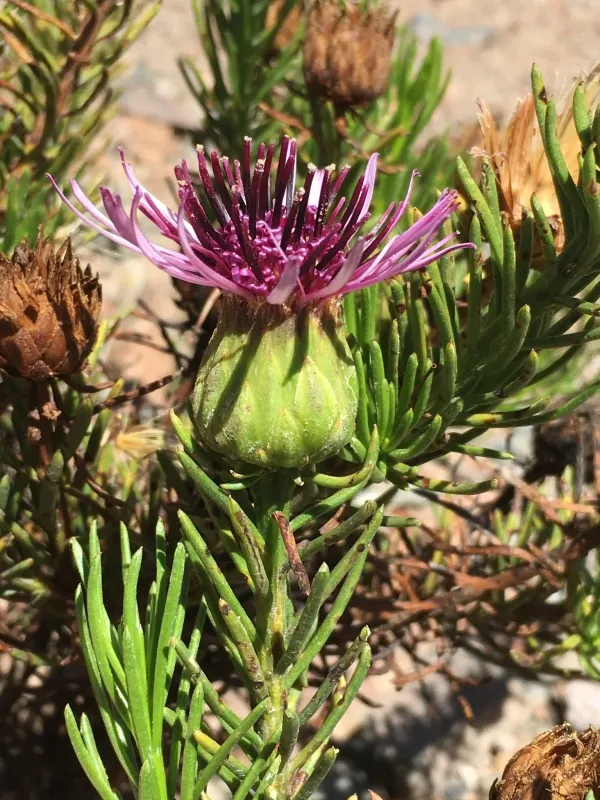
The plant exhibits unique morphological features, most notably its needle-like leaves that resemble pine foliage, hence the specific epithet pinifolium. This structural adaptation is essential for survival in its native habitat, significantly reducing water loss during periods of intense solar radiation and drought.
For cultivation purposes, this species requires specialized substrates that provide exceptional drainage, mimicking the coarse, sandy, or rocky soils of its native range. Any form of waterlogging or high moisture retention in the growing medium is detrimental, often leading to rapid decline and root pathogens.
Climatic requirements for Gypothamnium pinifolium are strictly defined by its adaptation to a Mediterranean-like or semi-desert climate. Successful cultivation in non-native environments depends on mimicking these conditions, particularly by maintaining high light intensity and avoiding high humidity, which can be counterproductive for this xerophytic species.
Currently, the economic utility of Gypothamnium pinifolium remains limited to scientific interest and botanical conservation efforts. However, its remarkable resilience and unique physiological mechanisms make it a subject of interest for breeders seeking to develop new, drought-tolerant ornamental plants for dry landscaping.