
Gynotroches axillaris
Gynotroches axillaris
Description
Growing requirements
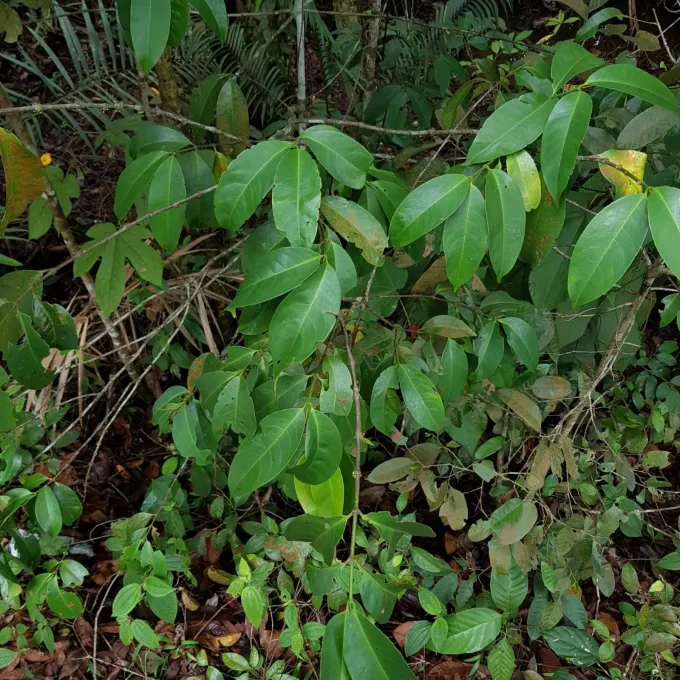
Gynotroches axillaris is an evergreen tree belonging to the Rhizophoraceae family. Characterized by a dense canopy and leathery, elliptical leaves, this species can reach heights of up to 20 meters in its natural tropical habitat.
The native distribution of this crop spans across Southeast Asia, notably Malaysia, Indonesia, and the Philippines. The plant thrives in high-humidity environments, commonly colonizing wet lowland areas, riverbanks, and swampy forest peripheries.
The species requires a strictly tropical climate characterized by constant warmth and high humidity levels throughout the year. It is highly intolerant to cold temperatures and frost, necessitating stable conditions for healthy growth and biomass accumulation.
Soil requirements for Gynotroches axillaris include deep, nutrient-rich, and moisture-retentive substrates. While it tolerates high soil moisture, it performs best in well-drained soils that prevent anaerobic root conditions which can lead to decay.
Cultivation practices involve site selection with adequate precipitation and protecting young saplings from harsh environmental stress. Establishing appropriate spacing is crucial to ensure adequate light interception for crown development and to prevent overcrowding.
Yield
The primary economic use of this tree is the production of durable timber. Its wood is highly valued in regional construction due to its inherent strength and resistance to decay, making it ideal for support beams, structural framing, and general cabinetry.
The fruits of the tree are edible and frequently utilized by local communities. Beyond their caloric value, they are integrated into traditional local cuisines, serving as a supplementary food source within the forest-dwelling populations.
In environmental management, the species is utilized for reforestation and soil stabilization. Its root system plays a vital role in preventing erosion in tropical landscapes, helping to preserve watershed integrity and prevent sediment runoff into nearby water bodies.
Medicinal applications of the plant are documented in traditional practices. Various preparations derived from the bark and foliage are used for their anti-inflammatory properties, with ongoing studies exploring the potential for pharmacological extraction.
Sustainable harvest management ensures that the timber production remains viable for future generations. By implementing proper pruning and selective logging techniques, growers can maintain high-quality wood yields while preserving the ecological health of the plantation.
Main diseases and pests
Deforestation and habitat fragmentation represent the most significant threats to the species' long-term survival. The conversion of tropical forests into industrial agricultural land leads to the loss of biodiversity and the disruption of natural population cycles.
Phytopathological threats include various fungal pathogens that exploit high-humidity conditions to infect trunks and root systems. These infections often occur when trees are stressed by improper water management or mechanical damage.
Tropical insect pests, including bark-boring beetles and leaf-chewing larvae, can cause substantial damage to plantation stocks. Regular monitoring and integrated pest management strategies are essential to mitigate the impact of these organisms on tree vigor.
Anthropogenic changes to local hydrology, such as drainage for infrastructure projects, can cause significant stress to trees adapted to wet environments. Ensuring consistent water availability is key to sustaining tree health and resistance to pathogens.
Proactive sanitary measures, including the removal of infected plant debris and the monitoring of health indicators, are standard for protecting plantation assets. Maintaining a diverse ecosystem around the stands also helps in managing pest populations naturally.