
Gymnostachys anceps
Gymnostachys anceps
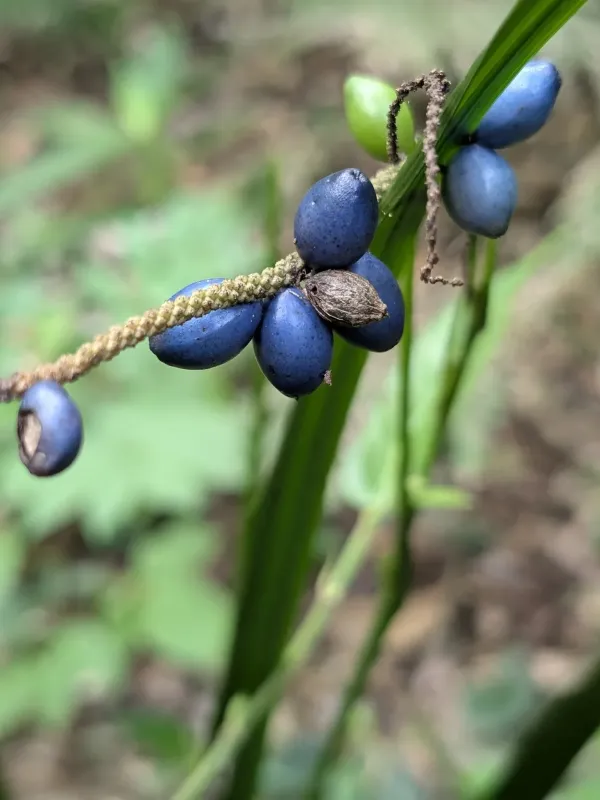
Description
Growing requirements
Gymnostachys anceps, commonly known as settler's flax, is a perennial herbaceous plant belonging to the Araceae family. As a monotypic genus, it stands out as a unique botanical specimen with no close relatives in terms of its structural morphology.
The plant originates from the eastern coastal regions of Australia. It is naturally adapted to flourish in the moist, shaded understory of forests, which dictates its preference for specific environmental niches when cultivated in nurseries or gardens.
Successful cultivation requires soil that is rich in organic matter and maintains excellent drainage properties. While the plant appreciates moisture, it cannot tolerate waterlogged conditions, which necessitates careful soil management and proper substrate selection.
The plant is characterized by long, rigid, sword-like leaves emerging from a dense basal rosette. Its inflorescence is distinct, consisting of several narrow, elongated spikes that differ significantly from the classic spathe and spadix arrangement of other aroids.
Economically, Gymnostachys anceps is primarily utilized as an ornamental plant in shaded garden landscapes and interior plantscapes. Its architectural form makes it a sought-after choice for designers focusing on native-style or exotic plant collections.
Main diseases and pests
The most significant threat to this species is root rot, typically caused by improper drainage and excessively heavy or waterlogged growing media. Ensuring a well-aerated soil profile is the best preventive measure against such physiological issues.
Common indoor and greenhouse pests, particularly scale insects and spider mites, can pose a challenge to the plant's aesthetic value. These pests thrive in dry indoor conditions and require consistent monitoring of leaf surfaces.
Environmental stressors such as direct exposure to harsh, high-intensity sunlight can cause severe leaf scorching. Protecting the plant from intense solar radiation is essential to maintain the integrity of its foliage and overall plant health.
Fungal diseases related to high humidity and poor air circulation, such as leaf spotting, may occur if the spacing between plants is insufficient. Proper spacing promotes airflow and significantly reduces the incidence of common pathogens.
In well-managed cultivation environments, the plant proves quite resilient. Relying on integrated pest management practices rather than chemical treatments is often sufficient to keep the crop healthy and thriving throughout the season.