
Gymnanthes lucida
Gymnanthes lucida
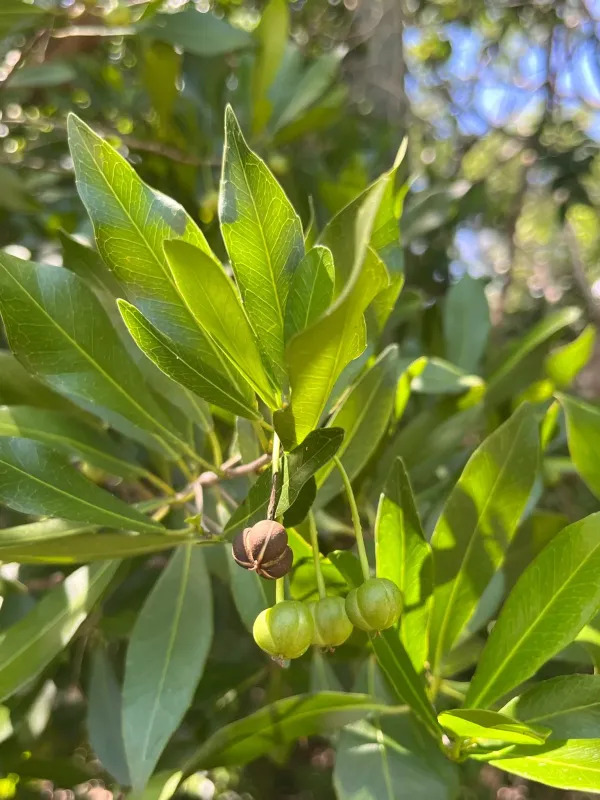
Description
Growing requirements
Gymnanthes lucida, commonly known as oysterwood, is a species of flowering plant in the spurge family, Euphorbiaceae. It is native to the Caribbean, Florida, and Mexico, where it thrives in rocky, limestone-based soils.
The plant is highly adaptable to drought conditions once established. It requires a well-drained substrate, as it cannot tolerate waterlogged soils, which can lead to rapid root decline in tropical environments.
Climate requirements for this species include constant warm temperatures and protection from frost. It performs best in full sun, where the density of its foliage and the glossiness of its leaves are most pronounced.
Botanically, it presents as an evergreen shrub or a medium-sized tree. Its wood is famously dense and heavy, earning the common name 'oysterwood' due to its ability to sink in water, which historical woodworkers valued for durable construction.
In landscaping, this species is utilized for hedge planting and as a specimen tree. Its ecological value is high in forest restoration projects within its native range, as it provides shelter and sustenance for local fauna.
Main diseases and pests
The primary threat to the health of Gymnanthes lucida is moisture-related fungal infections. These typically occur when the soil structure is compacted or the drainage is insufficient to prevent standing water.
Pests such as scale insects and mealybugs may occur, particularly if the plant is under abiotic stress. Regular monitoring of the underside of the leaves is recommended for early detection of these pests.
Cultural maintenance involves pruning to ensure air circulation throughout the canopy. This practice effectively reduces the humidity levels that fungal pathogens prefer for their growth and reproduction.
Soil management is critical to disease prevention. Avoiding excessive nitrogen application prevents the development of lush, succulent growth that is more susceptible to insect attack and localized infections.
Proper plant hygiene, including the removal of dead or decaying branches, is essential to minimize pathogen reservoirs. Maintaining a healthy growing environment naturally supports the plant's robust defense mechanisms.