
Grubbia rosmarinifolia
Grubbia rosmarinifolia
Description
Growing requirements
Grubbia rosmarinifolia is a notable evergreen shrub belonging to the Grubbiaceae family. This species is indigenous to the Cape Floristic Region of South Africa, where it thrives as a distinct component of the local fynbos vegetation.
The plant is biologically adapted to the Mediterranean-type climate characterized by winter rainfall and summer drought. It necessitates well-drained, acidic soil conditions to prevent root rot and support its slow-growth habit.
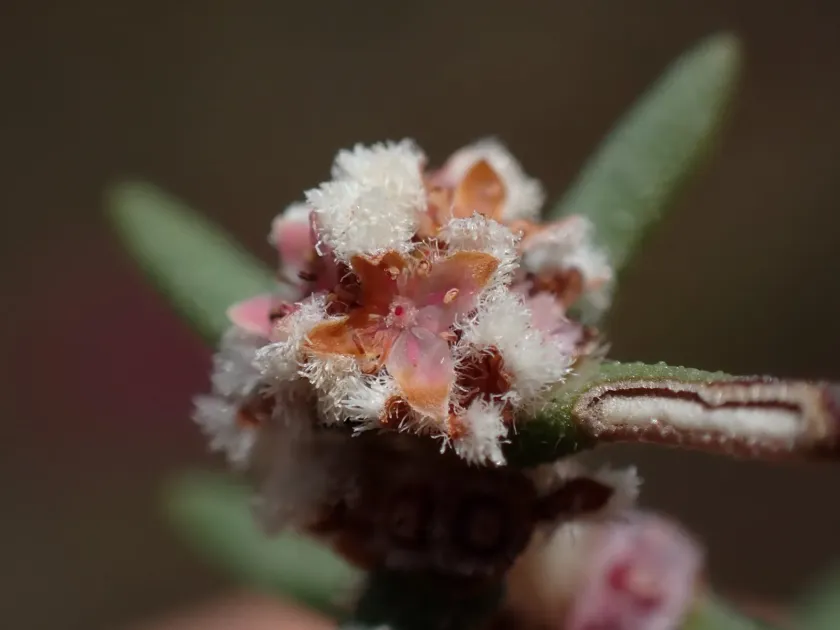
Botanically, the shrub is distinguished by its needle-like leaves that bear a striking resemblance to rosemary. The inflorescences are densely arranged, offering a unique aesthetic appeal during the flowering period, which is a key trait for ornamental use.
Cultivation requires exposure to full sun and excellent air circulation. The species is highly sensitive to soil compaction and nutrient-rich substrates, which often lead to plant decline if not carefully managed in controlled environments.
While not a traditional agricultural crop, Grubbia rosmarinifolia serves as a subject of botanical interest and is occasionally found in specialized gardens. Its utility is largely restricted to ornamental landscapes in appropriate climates where it can mimic its natural habitat conditions.