
Grewia sclerophylla
Grewia sclerophylla
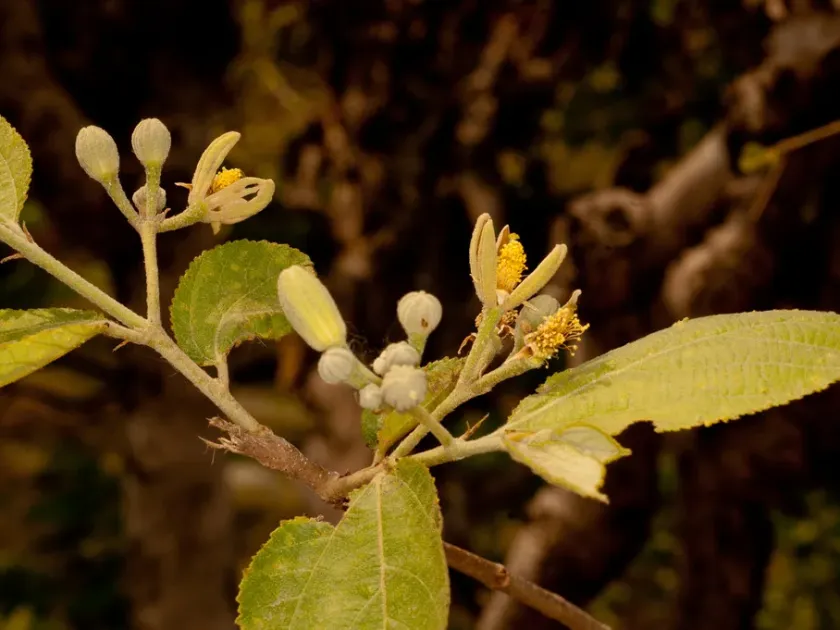
Description
Growing requirements
Grewia sclerophylla is a perennial shrub belonging to the Malvaceae family. It is native to African savannahs and dry woodlands, having evolved to thrive in environments characterized by distinct wet and dry seasons.
The crop prefers well-drained, sandy or gravelly soils. It exhibits excellent drought tolerance, allowing it to survive in arid conditions where many other horticultural crops would fail to establish.
For successful cultivation, full sun exposure is mandatory. Adequate solar radiation ensures the development of robust woody stems and stimulates the production of flowers and fruits during the active growth cycle.
Soil management should prioritize preventing waterlogging. While the plant is drought-resistant, excessive soil moisture during the dormant season can lead to root rot and other fungal complications.
Temperature requirements are strictly tropical or subtropical. The plant must be kept away from frost, as even minor cold stress can severely damage the photosynthetic apparatus and reduce overall productivity.
Harvesting
The economic value of Grewia sclerophylla lies primarily in its edible fruits and fibrous bark. The fruits are commonly consumed fresh or used in traditional food processing to create preserves.
Fiber extraction from the bark is a significant agricultural activity. These fibers are traditionally used for crafting durable ropes and agricultural textiles, showcasing the plant's dual-purpose utility.
Harvesting the fruits requires careful timing. They should be picked once they reach their characteristic mature color to ensure the best flavor profile and nutritional content for the consumer.
In agroforestry settings, the shrub serves as a vital forage source. During dry periods, when grasses are unavailable, the foliage of Grewia provides essential nutrition for local livestock.
Post-harvest handling is critical for fruit longevity. Proper shade-drying or rapid processing into secondary products ensures that the harvest remains viable for transport and future market use.