
Grewia oppositifolia
Grewia oppositifolia
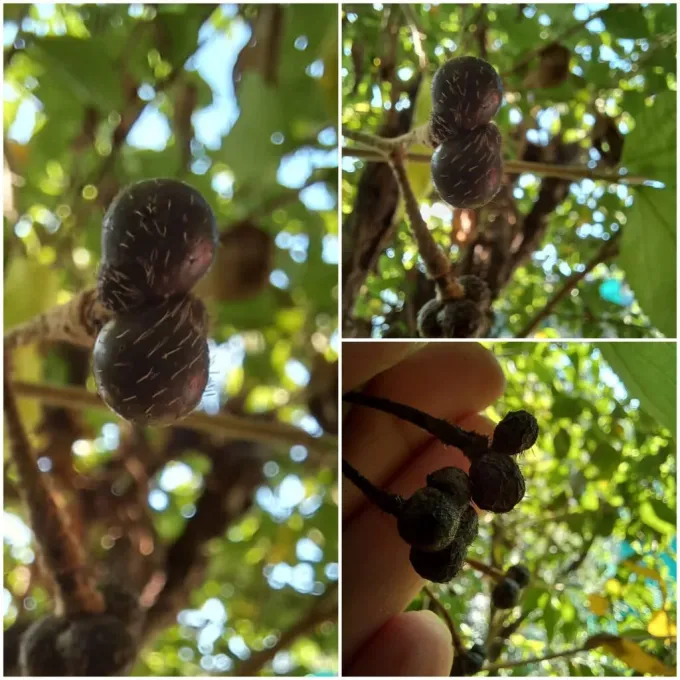
Description
Sowing dates
Propagation of Grewia oppositifolia is primarily achieved through seeds. Sowing is typically conducted in nurseries during the spring season when temperatures are sufficient to promote uniform germination of the seedlings.
To improve germination rates, seeds undergo scarification or soaking in warm water for 24 hours. This practice softens the seed coat, allowing water to reach the embryo and facilitating more consistent growth rates.
The transplantation of seedlings to the field is ideally timed at the beginning of the rainy season. High humidity and soil moisture levels are crucial for the plant to successfully establish its root system and minimize transplant shock.
The spacing for planting depends on the intended use, such as fodder production or forest restoration. A common approach involves spacing trees approximately 2 to 3 meters apart to allow adequate room for lateral branching.
Density management is essential during the early stages of growth. Thinning the nursery stock ensures that each plant receives optimal sunlight, which is necessary for developing the dense foliage required for fodder harvesting.
Growing requirements
Grewia oppositifolia is a native species of the Himalayan foothills and thrives in temperate to subtropical climates. It is highly adaptive to various altitudes, ranging from 500 to 2000 meters above sea level.
The tree prefers well-drained loamy soils with a neutral pH. It is particularly sensitive to waterlogging, as poorly drained soils can lead to root rot and inhibit the tree's overall vigor and development.
Optimal growth is achieved in locations with full sunlight exposure. While the tree can tolerate partial shade, maximum biomass production for forage is realized when the canopy receives sufficient direct solar radiation.
The species demonstrates moderate drought tolerance once established. However, during the first two years of development, consistent irrigation is necessary to ensure the plant reaches a sufficient size to withstand seasonal dry spells.
Mulching the base of the trees is a recommended agronomic practice to retain moisture and improve soil structure. The application of organic compost during the growing season significantly enhances leaf production.
Yield
Yield is primarily measured by the total volume of edible biomass produced annually. The foliage of Grewia oppositifolia is highly regarded as a nutrient-dense livestock feed, making it a staple in local agroforestry.
A mature, well-maintained tree can yield between 15 to 25 kilograms of green fodder per season. Productivity is directly influenced by soil nutrient levels, annual rainfall, and the specific pruning regimen applied.
Fiber production from the bark of young shoots is an important secondary yield. The bark is processed to extract strong, durable fibers, which are used for cordage and textile applications in rural economies.
Rotational pruning systems are essential to stabilize long-term yields. By harvesting sections of the tree in a cycle, the species is able to recover its foliage, ensuring consistent production over several decades.
Strategic nutrient management, particularly the use of nitrogen-rich organic fertilizers, has been shown to boost leaf growth rates. Maximizing these yields requires consistent monitoring and seasonal adjustments to tree care.
Main diseases and pests
While Grewia oppositifolia is hardy, young shoots can be vulnerable to leaf-eating insects during humid weather. Regular scouting of the canopy is recommended to identify and manage potential infestations early.
Root rot is the most common disease, usually occurring in areas with poor drainage. Preventing this requires careful selection of planting sites and ensuring that the soil structure supports efficient water movement.
Herbivory by local wildlife and livestock is a major threat to new plantations. Implementing physical barriers or fencing is critical until the trees have grown sufficiently to escape damage to their main stems.
In highly humid regions, powdery mildew may appear on the leaves. This can be mitigated by promoting good airflow within the plantation through proper tree spacing and timely pruning of diseased branches.
Biological pest control is preferred to maintain the quality of the fodder. Chemical interventions are rarely needed if the health of the tree is maintained through proper soil management and regular field hygiene.
Harvesting
Harvesting is performed by systematically pruning the branches. It is crucial to use sharp tools to make clean cuts, which minimizes tissue damage to the trunk and allows for faster wound healing and tree recovery.
The ideal time to harvest forage is just before the flowering stage. At this developmental phase, the leaves possess the highest protein content and nutritional value for livestock, maximizing the benefits of the feed.
Bark collection for fiber is often integrated with the regular pruning schedule. Once removed, the bark is retted in water to separate the fibers, which are then dried and prepared for use in crafts and industrial applications.
Post-harvest handling must be efficient to maintain quality. Foliage should be transported quickly to avoid wilting and nutrient loss, as the nutritional profile of the fodder begins to degrade once separated from the tree.
Sustainable harvesting promotes active regrowth. By following a structured pruning cycle, farmers ensure the tree remains vigorous and continues to produce high-quality fodder for subsequent seasons.