
Grewia monticola
Grewia monticola
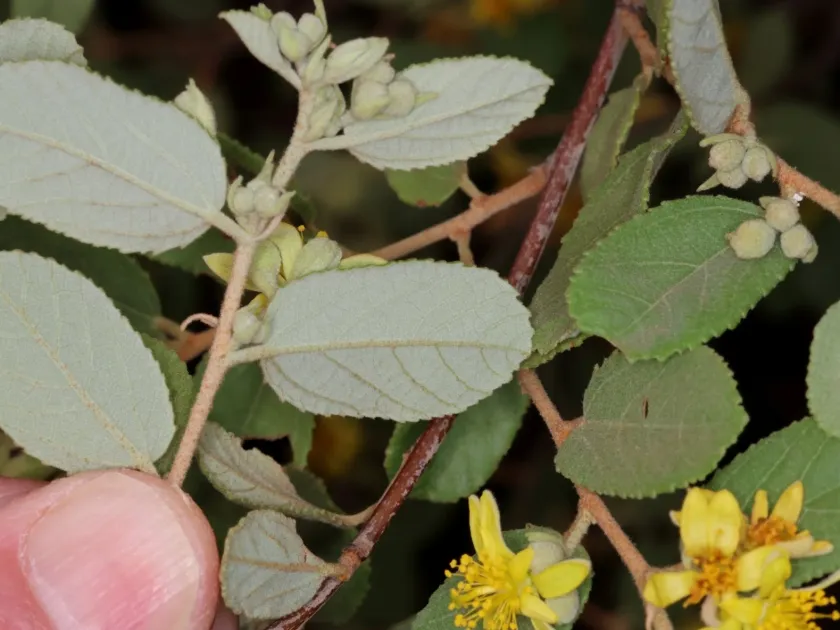
Description
Sowing dates
Grewia monticola, commonly known as the grey crossberry, is a member of the Malvaceae family. Propagation is primarily achieved through seeds, which require specific preparation due to their hard seed coat.
To improve germination rates, it is recommended to scarify the seeds by scratching the surface or soaking them in warm water for 24 hours. Early spring is the most suitable time for sowing in nursery conditions when temperatures range between 20°C and 25°C.
Seedlings emerge at different rates, requiring consistent substrate moisture without causing waterlogging. It is essential to use containers with adequate drainage to protect the delicate root systems of young plants.
Once seedlings reach a height of 30 to 40 cm, they can be transplanted to their final location. Providing protection from weed competition during the first year is vital for establishing a healthy root system.
For hedge or windbreak configurations, plants should be spaced at intervals of 1.5 to 2 meters to allow for natural canopy development over time.
Growing requirements
This species is well-adapted to the savanna and dry forest ecosystems of Southern and East Africa. It thrives in sunny locations and requires high light intensity for optimal growth and fruit production.
Soil requirements include well-draining sandy or loamy textures. While the plant can tolerate various soil types, it performs best in neutral to slightly acidic conditions and strictly avoids waterlogged environments.
Grewia monticola is highly drought-tolerant, surviving long dry spells due to its deep and robust root system. However, for maximum productivity, supplementary watering is beneficial during the blooming and fruit-setting stages.
The plant prefers warm climates and is sensitive to heavy frost. In cooler regions, protection against low temperatures is necessary to prevent severe tissue damage or death of the specimen.
Regular pruning is a key agricultural practice to maintain tree health, encourage better airflow, and ensure that sunlight reaches the inner parts of the canopy for improved fruit yield.
Yield
The primary yield consists of small, edible drupes that turn from green to a dark purple or black color when fully ripe. These fruits are a popular wild food source known for their distinctive flavor.
Beyond human consumption, the fruits are used to create traditional beverages and jams. The yield increases significantly as the tree matures, making it a valuable addition to agroforestry projects.
The wood of Grewia monticola is noted for being hard, durable, and flexible, which makes it highly desirable for crafting handles for agricultural implements, walking sticks, and small furniture.
The foliage serves as an excellent browse material for livestock, providing high-quality forage during the dry season when other green pasture becomes scarce.
By promoting biodiversity and soil stability, this species plays a functional role in restoring degraded lands and preventing erosion in semi-arid landscapes.
Main diseases and pests
Grewia monticola generally exhibits high resistance to many pests. However, in humid environments, fungal infections like powdery mildew may affect the foliage, leading to reduced photosynthetic capacity.
Minor infestations of aphids or scale insects may occur on young shoots during rapid growth phases. Early detection and the use of natural predators or soft soaps can effectively manage these populations.
Fruit flies can pose a threat to the ripening crop. Implementing integrated pest management strategies, such as using pheromone traps, helps keep fruit damage to a minimum.
Root rot, often caused by Phytophthora species, can develop if the soil remains excessively wet for long periods. Ensuring excellent drainage is the most effective preventative measure.
Maintaining a clean garden environment and performing regular sanitary pruning to remove dead or diseased branches are essential steps in protecting the overall health of the tree.
Harvesting
Harvesting should occur when the fruits reach full maturity and change color. Because they ripen asynchronously, manual picking over several weeks is necessary to ensure the highest quality.
The fruits are delicate and prone to bruising, so gentle handling is required during collection. They are best harvested in the early morning to retain maximum freshness and moisture.
Post-harvest, the fruits should be stored in cool, ventilated areas. For long-term preservation, they can be sun-dried, which concentrates their sugars and extends their shelf life significantly.
Dried Grewia berries remain nutritious and can be stored in airtight containers, serving as a reliable food source throughout the off-season.
For timber harvesting, selective thinning of older branches is recommended to ensure the tree continues to produce fruit while providing high-quality wood for tools and crafts.