
Grewia latifolia
Grewia latifolia
Description
Growing requirements
Grewia latifolia is a perennial shrub or small tree belonging to the Malvaceae family, specifically the Grewioideae subfamily. This species is native to tropical and subtropical regions of Asia and Africa, where it has evolved to thrive in environments with specific seasonal rainfall patterns and high solar radiation.
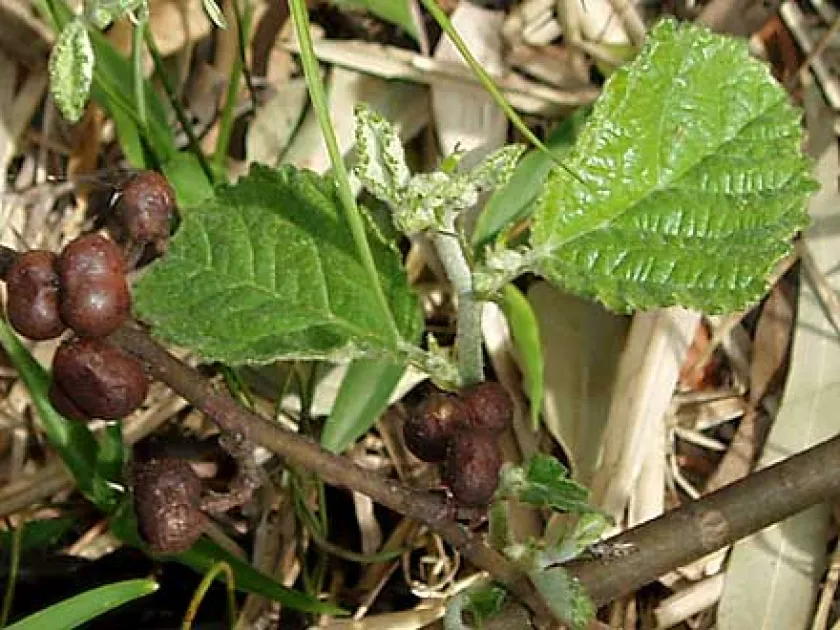
In terms of botanical structure, the plant exhibits broad, hardy leaves and produces drupaceous fruits. It is characterized by its adaptability to various types of forest-edge habitats, provided there is enough space for the canopy to spread without excessive competition from taller vegetation.
The crop requires well-drained, fertile soil with a neutral to slightly acidic pH. Proper soil aeration is essential for the healthy development of the root system. Waterlogging must be strictly avoided, as the plant is highly susceptible to root rot when the soil remains saturated for extended periods.
Optimal growth temperatures for Grewia latifolia range between 22 and 30 degrees Celsius. While it demonstrates some level of drought tolerance once established, consistent irrigation during the flowering and fruit-setting phases is vital for achieving high-quality yields in commercial plantations.
Economic utilization of Grewia latifolia extends beyond its edible fruits, which are processed into local jams and juices. Furthermore, the inner bark contains strong bast fibers, which have been historically harvested for cordage, weaving, and various artisanal applications in its native range.
Main diseases and pests
The primary pests affecting the cultivation of Grewia latifolia include various species of aphids and mealybugs. These insects tend to congregate on young foliage and tender stems, feeding on sap and often leading to stunted growth if left unmanaged during the early growing season.
Fungal pathogens such as anthracnose pose a significant threat during periods of high humidity and poor air circulation. Effective disease management involves maintaining proper spacing between plants and performing systematic pruning to ensure the crown receives adequate sunlight and ventilation.