
Graptoveria calva
Graptoveria calva
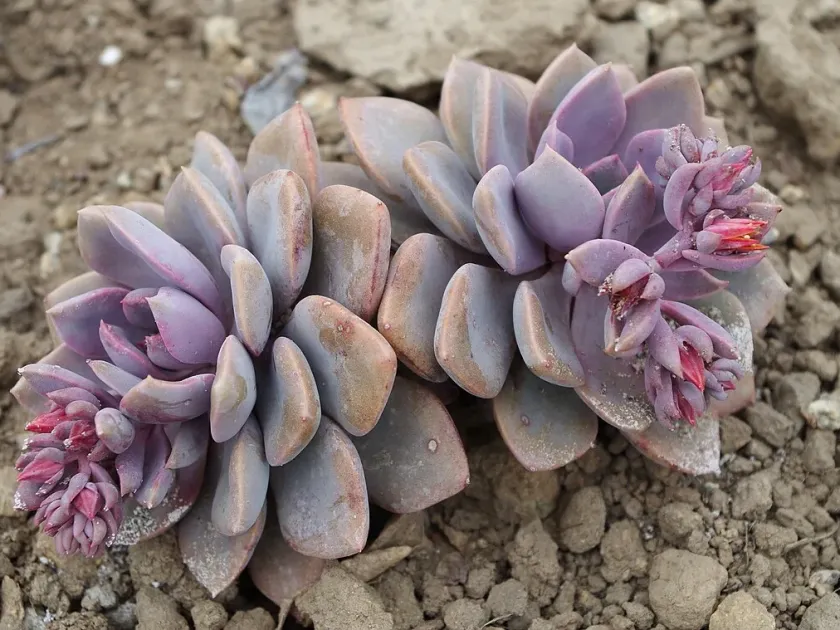
Description
Growing requirements
Graptoveria calva is a decorative succulent hybrid within the Crassulaceae family. It is highly valued in horticulture for its dense, symmetrical rosettes and smooth, fleshy leaves that often display a subtle color shift depending on light exposure and temperature conditions.
The plant requires bright, indirect light to maintain its compact rosette structure. Intense direct sun during summer months can damage the foliage, while insufficient light leads to etiolation, causing the stem to stretch and the plant to lose its aesthetic value.
Soil requirements focus on excellent drainage to prevent root rot. A specialized substrate mix containing pumice, coarse sand, and low-nutrient organic matter is recommended. The pot must have sufficient drainage holes to allow excess water to escape rapidly.
Temperature management is critical for the health of Graptoveria calva. It thrives in temperatures ranging from 20°C to 25°C during the growing season. In winter, a cooling period between 10°C and 15°C helps the plant enter dormancy, supporting its long-term vitality.
Propagation is primarily achieved through leaf cuttings or offsets. It is essential to allow the cut surface to callus over for several days before placing it into the soil to prevent moisture from entering the wounded tissue, which could lead to decay.
Main diseases and pests
The primary threats to Graptoveria calva are fungal pathogens triggered by poor ventilation and overwatering. These conditions often lead to stem rot, which can spread rapidly through the plant if not caught in the early stages.
Common pests include mealybugs and spider mites. These insects thrive in dry, stagnant air. Routine inspection of the leaf axils and the application of mild systemic insecticides or neem oil solutions are effective strategies for maintaining a healthy plant collection.