
Graptophyllum excelsum
Graptophyllum excelsum
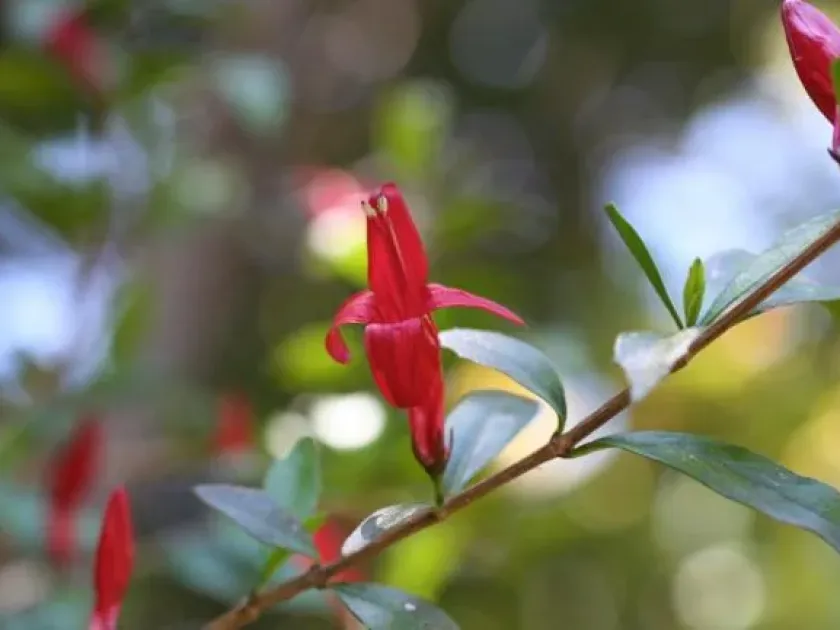
Description
Growing requirements
Graptophyllum excelsum, a member of the Acanthaceae family, is an evergreen shrub native to the tropical forests and dry scrubs of eastern Australia. It is characterized by its woody structure and distinct, often glossy foliage, making it a valuable ornamental species.
The plant thrives in tropical and subtropical climates where temperatures remain consistently warm throughout the year. It exhibits excellent tolerance to heat and can withstand moderate dry spells once it is established, though regular irrigation is essential for optimal growth during the first year.
Soil requirements for Graptophyllum excelsum include a well-draining substrate rich in organic matter. While it can adapt to various soil types, sandy loams with a slightly acidic to neutral pH are preferred to ensure healthy root development and efficient nutrient uptake.
Agricultural management involves pruning to maintain the desired shape and density of the canopy. Fertilization should be focused on the spring and early summer months using a balanced slow-release fertilizer to support steady leaf production and floral development.
This species is primarily utilized in landscaping and restoration projects within its native range. Due to its dense growth habit, it is frequently employed as a natural privacy screen or as a feature plant in xeriscaping designs where water conservation is prioritized.
Main diseases and pests
The primary pests affecting this species include scale insects and mealybugs, which can cause leaf yellowing and stunted growth. Implementing an integrated pest management strategy, including the use of horticultural oils, is highly effective for control.
Root rot, a common issue in poorly drained soils, poses a significant threat to plant health. Ensuring that the planting site has adequate slope or a deep drainage layer is critical for preventing prolonged water accumulation around the root crown.
Leaf spot diseases may occur in areas with consistently high humidity and poor air circulation. Periodic thinning of the branches is recommended to improve airflow through the canopy, reducing the risk of fungal infections.
In regions with high pest pressure, monitoring the plants for the presence of aphids is recommended, as they can transmit viral diseases. Prompt removal of infested plant parts helps isolate and stop the spread of potential pathogens.
Nutritional deficiencies, particularly of magnesium or iron, can manifest as interveinal chlorosis. Maintaining balanced soil fertility is vital, as a healthy plant is significantly more resistant to both environmental stress and pest attacks.