
Grangea maderaspatana
Grangea maderaspatana (L.) Poir.
Description
Sowing dates
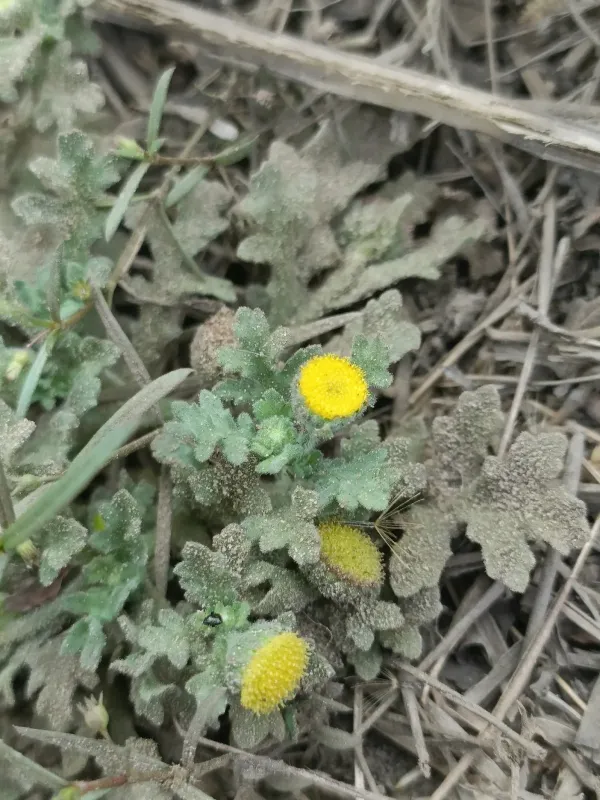
Grangea maderaspatana is a prostrate, annual herb belonging to the Asteraceae family. It is typically propagated by seeds, which require specific conditions for optimal germination, often occurring naturally following the onset of monsoon rains.
In a farming environment, seeds should be surface-sown or covered with a very thin layer of fine soil or sand. Because the seeds are tiny, deep planting often results in poor emergence and failure of the crop to establish a healthy stand.
Maintaining a consistent moisture level during the germination phase is critical. Using mist irrigation or fine spray systems ensures that the delicate seeds do not dry out, which is a common reason for crop failure in field conditions.
The planting density should be adjusted to allow the plants to spread effectively. As a prostrate herb, Grangea maderaspatana covers the ground, requiring about 20 to 30 centimeters of spacing between individual plants to prevent overcrowding.
Early-stage seedling care is essential. Weed control must be prioritized as the plant grows relatively slowly at the start and can be easily outcompeted by more aggressive weeds if not kept clean.
Growing requirements
This crop thrives in well-drained, fertile soil types, particularly sandy loams. Good aeration is vital for the root system, as waterlogging is a primary stressor that can lead to rapid decay of the prostrate stems.
Grangea maderaspatana is a sun-loving plant that requires full exposure to sunlight to develop its maximum medicinal potential. Shaded areas lead to etiolated, weak plants with significantly reduced secondary metabolites.
The plant is highly sensitive to cold temperatures and frost. It requires a tropical or subtropical climate where temperatures remain consistently between 22 and 30 degrees Celsius during the entire vegetative phase.
Water requirements are high, especially during the peak growing season. While the plant needs moist conditions, it is important to prevent stagnant water, which can trigger fungal outbreaks in the dense foliage.
Fertilization with balanced organic compost provides the necessary nutrients to sustain rapid biomass production. Since the leaves are the primary harvestable part, nitrogen-rich organic amendments are often preferred.
Yield
The yield of Grangea maderaspatana is measured by the total biomass of the aerial parts collected. Under optimal conditions, the plant forms a dense mat that can produce multiple harvests within a single growing season.
The highest concentration of bioactive compounds typically occurs just before or during the flowering stage. Therefore, the timing of the harvest is dictated by the plant's phenological stage rather than a fixed calendar date.
Drying procedures are paramount to protecting the yield quality. The collected green mass must be spread out in a well-ventilated, shaded area to avoid overheating and the degradation of volatile essential oils.
Industrial yields depend heavily on the control of weeds and the prevention of moisture-related diseases. A clean, well-managed crop can provide a steady supply of high-quality medicinal material throughout the season.
Post-harvest handling, including sorting and cleaning the biomass, is essential to meet the purity standards required by the pharmaceutical or nutraceutical industries.
Main diseases and pests
The most common threats to the cultivation of this species include fungal infections such as powdery mildew, especially when humidity levels remain high for extended periods without adequate air circulation.
Root rot is a significant risk if the soil lacks proper drainage. This is often exacerbated by over-irrigation or heavy rains that leave the soil saturated, causing the plant's prostrate stems to decay where they touch the ground.
Leaf-feeding insects and aphids can cause considerable damage to the young leaves and shoots. Regular monitoring of the foliage is required to implement integrated pest management practices early.
Weed competition is perhaps the biggest agronomic challenge. Given the plant's spreading habit, mechanical weeding is difficult once the ground is covered, making pre-planting soil preparation vital.
Crop rotation is recommended to avoid the buildup of soil-borne pathogens. Rotating with non-Asteraceae crops can help keep the field environment healthier for subsequent planting cycles.
Harvesting
Harvesting is usually done manually or with specialized mowing equipment that cuts the plant a few centimeters above the ground. This method ensures that the roots are not damaged, which is important for quality control.
The best time to harvest is during the dry part of the day. Harvesting when the plant is wet from dew or rain increases the risk of mold growth during the drying process and significantly lowers the quality of the final product.
Once mowed, the biomass should be transported immediately to the processing area. Stacking the fresh material in piles for too long triggers fermentation and heat generation, which destroys valuable chemical components.
Quality control during harvest involves visually inspecting the material for any signs of decay, discoloration, or debris. High-quality harvest results in a bright green, aromatic product that preserves its medicinal efficacy.
Once dried to the desired moisture level, the material should be stored in cool, airtight, and dark containers to maintain its stability and prevent the oxidation of its active botanical compounds.