
Gonzalagunia spicata
Gonzalagunia spicata
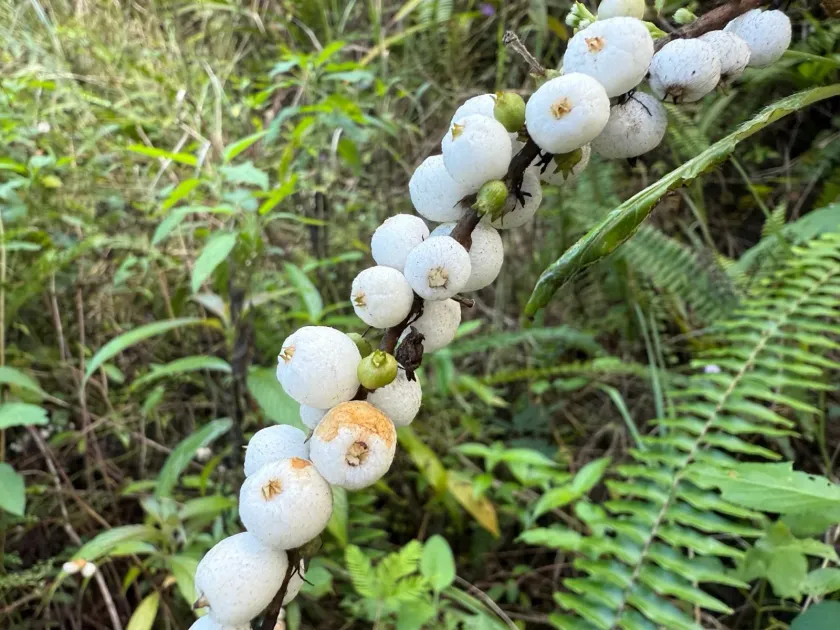
Description
Growing requirements
Gonzalagunia spicata is a species of flowering plant belonging to the Rubiaceae family. It typically grows as a shrub or small tree, common in tropical forest ecosystems.
The plant is native to Central and South America, as well as the Caribbean islands, thriving in regions with high precipitation and consistent tropical temperatures.
For successful cultivation, the plant requires a warm climate with minimal temperature fluctuations. It is intolerant of frost and cold winds, making it suitable mainly for tropical or greenhouse conditions.
The soil should be nutrient-rich, moist, and well-drained. A slightly acidic pH is generally preferred, mimicking the forest floor environment where organic matter decomposes rapidly.
Botanically, it is recognized by its slender, elongated, spike-like inflorescences bearing small white or yellowish flowers, which are highly attractive to local pollinators.
Main diseases and pests
Fungal infections, particularly root rot, pose the most significant threat to Gonzalagunia spicata, often caused by poorly drained soils or excessive watering.
Pests such as mealybugs and spider mites are common in greenhouse environments, feeding on the undersides of leaves and leading to chlorosis or foliage drop.
In humid tropical conditions, leaf spots caused by various pathogens can occur if the foliage remains wet for extended periods without adequate air circulation.
Regular sanitation of the growing area, including the removal of dead or decaying plant material, is essential to minimize the risk of pest and disease outbreaks.
Integrated pest management strategies are recommended to maintain plant health, focusing on biological controls rather than heavy chemical applications.