
Gonystylus bancanus
Gonystylus bancanus (Miq.) Kurz
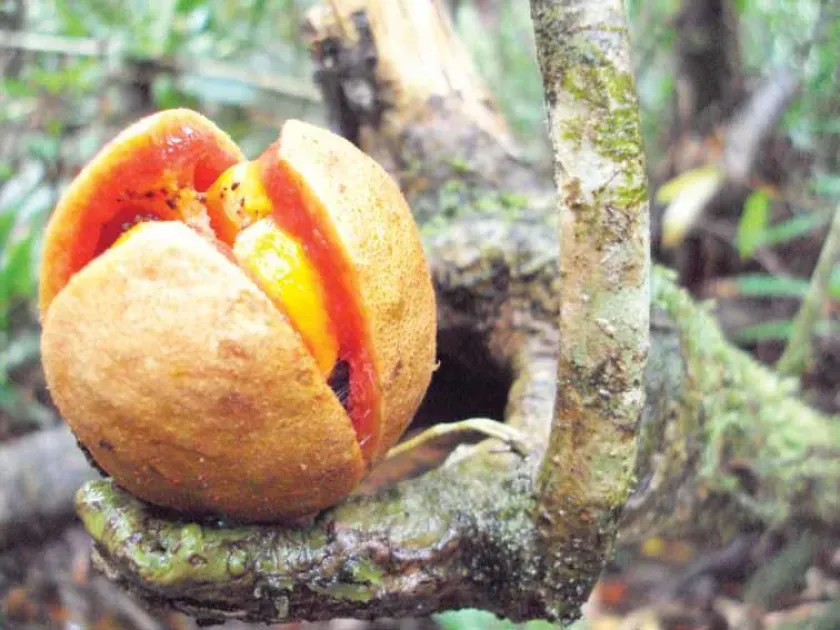
Description
Growing requirements
Gonystylus bancanus is a prominent tree species belonging to the Thymelaeaceae family. It is a large, evergreen tropical tree native to the peat swamp forests of Southeast Asia, primarily found in Malaysia, Indonesia, and Brunei.
The species thrives in environments characterized by high humidity and consistent tropical temperatures. It is uniquely adapted to waterlogged, acidic peat soils that are typically poor in nutrients but essential for its specialized root system.
Botanically, it can grow up to 40 meters tall with a straight cylindrical bole. Its bark is generally greyish-brown, and the tree plays a critical role in maintaining the structure and biodiversity of its native swamp ecosystems.
This tree requires specific hydrological conditions to survive. The health of a Gonystylus forest is intrinsically linked to the water table level; any drainage or land clearing activities can lead to rapid site degradation.
Cultivation of this species outside its natural habitat is extremely challenging due to its high reliance on the specific microclimate and soil microbial communities found in tropical peat swamps.
Yield
The primary economic value of Gonystylus bancanus lies in its timber, widely known in international trade as "ramin." This wood is highly prized for its light color, straight grain, and uniform texture, making it ideal for fine woodworking.
Ramin is extensively used in the manufacturing of high-end furniture, picture frames, mouldings, and various sporting goods. Its workability and finishing properties have made it a preferred material for craftsmen.
Due to the slow growth rate of the species, sustainable yield is limited. The tree is currently listed under CITES Appendix II, which mandates strict international trade regulations to prevent overexploitation.
Modern forestry practices focus on the conservation of natural stands rather than intensive plantation farming. Sustainable harvesting involves selective cutting, ensuring the forest can regenerate naturally over decades.
Market value is high, but supply chain transparency is crucial. Legal harvesting requires certification to ensure that the timber was sourced without destroying protected peatland habitats.
Main diseases and pests
The survival of Gonystylus bancanus is severely threatened by deforestation, particularly the conversion of peat swamp forests into oil palm plantations. Land clearing disrupts the delicate water balance required by the species.
Peatland fires, often caused by land drainage and human activity, pose a major threat. These fires can burn underground for weeks, destroying the entire root system and seedling bank of the forest.
Illegal logging remains a significant risk. Despite international trade restrictions, poaching of ramin wood occurs in remote areas, further fragmenting the surviving wild populations.
Climate change, manifesting as prolonged droughts, increases the vulnerability of the species to pest attacks and fungal infections, which further complicates restoration efforts in degraded areas.
- Habitat loss due to plantation expansion.
- Destructive peatland fires.
- Illegal logging activities.
- Hydrological instability.