
Goniothalamus donnaiensis
Goniothalamus donnaiensis Finet & Gagnep
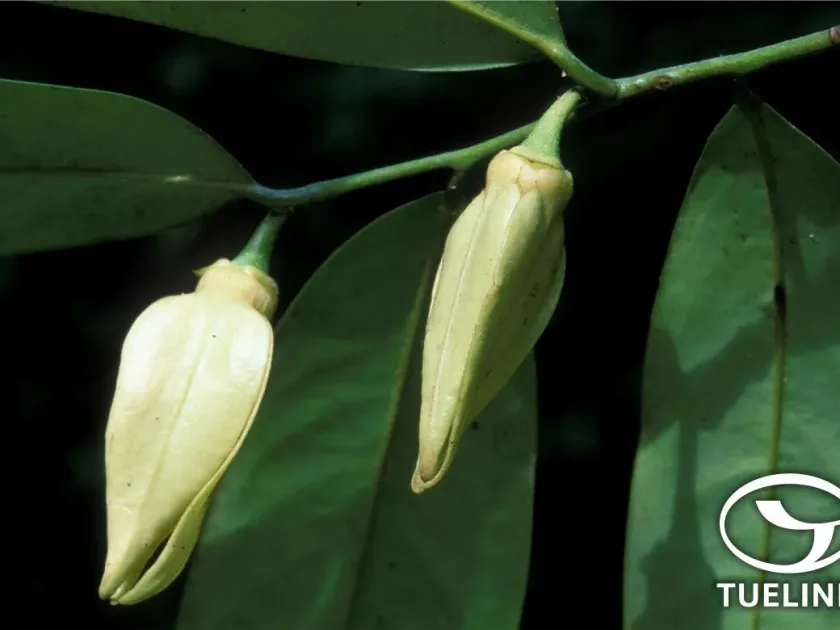
Description
Growing requirements
Goniothalamus donnaiensis is a rare woody plant species belonging to the Annonaceae family. Native to the tropical forests of Vietnam, this species thrives in humid, shaded environments within its natural range, which is restricted to specific geographical locations.
The plant requires a tropical climate characterized by high humidity and warm temperatures year-round. It prefers nutrient-rich, well-draining forest soils that mimic the leaf litter layer found in its native ecosystem, ensuring balanced moisture levels.
Botanically, it is classified as a small tree or shrub. It displays glossy leaves and flowers typical of the genus Goniothalamus, featuring thick, often fleshy petals. The reproductive strategy involves the production of distinct fruit aggregates containing seeds.
Agronomic cultivation of this species is primarily focused on research and conservation. It requires a stable microclimate, making it challenging to grow outside of specialized greenhouses or botanical facilities where temperature and humidity are strictly regulated.
The economic and research significance of this plant lies in its phytochemical composition. Various species within the genus are researched for their secondary metabolites, including acetogenins, which are studied for potential pharmacological applications.
Main diseases and pests
The primary threat to the existence of this species is habitat destruction due to deforestation and land-use changes in Southeast Asia. Such disturbances lead to the fragmentation of populations, making the species highly susceptible to local extinction.
In a controlled growing environment, the plant is susceptible to common tropical greenhouse pests such as scale insects and aphids. Over-irrigation poses a significant risk, as it often leads to root rot and other fungal pathogens that can rapidly damage the plant's health.