
Goniopteris prolifera
Goniopteris prolifera
Description
Growing requirements
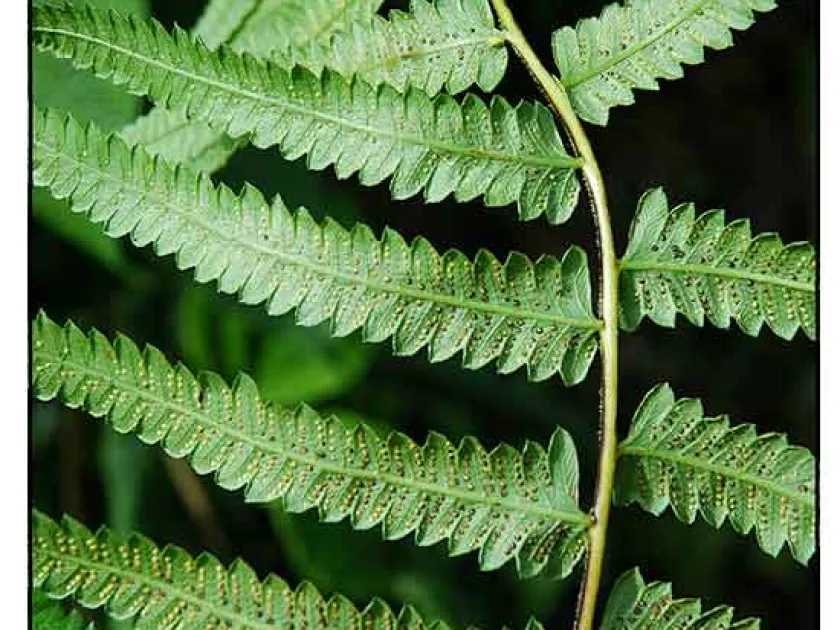
Goniopteris prolifera is a perennial fern species belonging to the family Thelypteridaceae. Originating from tropical and subtropical regions of Asia, it is known for its adaptation to high-humidity environments and shaded forest floors.
The plant is botanically distinctive due to its proliferous nature, meaning it produces small plantlets on the tips of its fronds. This biological strategy allows the fern to propagate efficiently when the frond touches moist soil or a suitable medium.
In terms of environmental requirements, this fern thrives in consistent temperatures and requires shelter from direct sunlight to prevent leaf scorch. High ambient humidity is crucial, especially during the active growth phase, as low humidity leads to tissue dehydration.
The soil should be consistently moist, rich in organic matter, and well-draining. A mix of peat-based potting soil combined with organic matter like compost ensures proper nutrient supply while maintaining the acidity levels preferred by this species.
The economic value of Goniopteris prolifera is primarily found in its ornamental use within specialized indoor plant collections and botanical conservatories. Its lush green foliage and unique growth habit make it a desirable subject for horticultural displays.
Main diseases and pests
Typical threats include common greenhouse pests such as spider mites, aphids, and scale insects. These pests often exploit the dense foliage, requiring manual removal or biological control methods to maintain plant health without chemical damage.
Pathogenic threats are dominated by fungal infections like root rot and leaf spots, which thrive in stagnant, poorly ventilated conditions. Effective management involves maintaining strict water quality control and ensuring adequate airflow between individual specimens.