
Gomphocarpus physocarpus
Gomphocarpus physocarpus E. Mey.
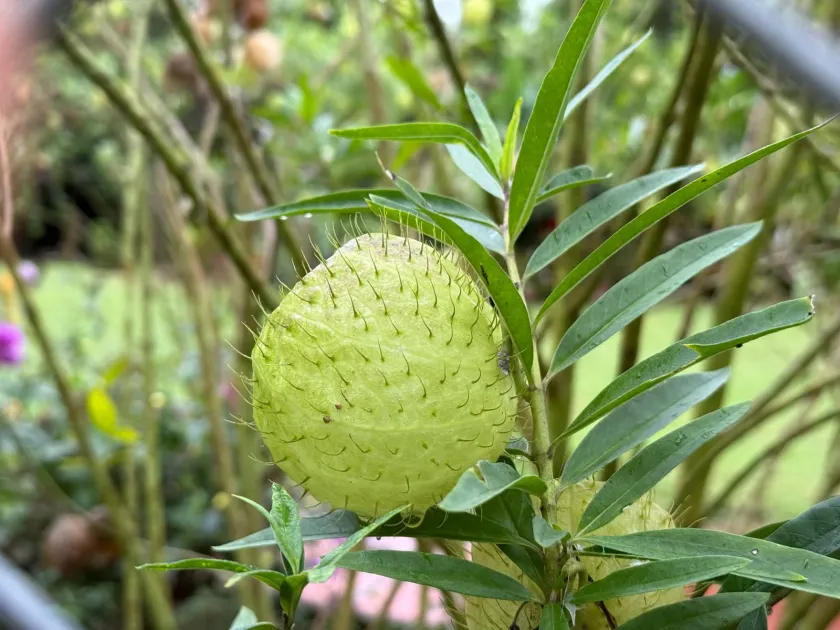
Description
Sowing dates
Sowing Gomphocarpus physocarpus, commonly known as the hairy balls plant, should occur in early spring. In temperate climates, it is best to start seeds indoors in trays about 6 to 8 weeks before the last expected frost date.
Seeds have a hard coat, so soaking them in warm water for 24 hours prior to sowing can significantly improve germination rates. Use a light, sterile seed-starting mix and cover seeds with a fine layer of vermiculite or soil.
Maintain consistent moisture and a warm environment, ideally between 20°C and 25°C. Germination can be slow and irregular, typically taking between two to four weeks depending on the soil temperature and seed quality.
Once seedlings have developed their first true leaves, they should be transplanted into individual pots. This practice encourages a stronger root system and makes the eventual transplanting into the garden easier.
Hardening off is crucial before moving plants outdoors. Gradually introduce them to exterior conditions over a week-long period to prevent transplant shock caused by wind and intense sunlight exposure.
Growing requirements
Gomphocarpus physocarpus belongs to the Apocynaceae family and is native to Southeast Africa. It is a tender perennial that is often grown as an annual in cooler regions due to its low frost tolerance.
This plant thrives in full sun, requiring at least six to eight hours of direct light daily to produce its signature inflated, balloon-like fruits. Insufficient light results in weak, leggy stems and poor fruit set.
Soil requirements include excellent drainage. While the plant can tolerate various soil types, it prefers a neutral to slightly acidic pH and thrives in sandy loam that allows roots to breathe without waterlogging.
Watering should be deep but infrequent. Allow the top few centimeters of soil to dry out between irrigation cycles to mimic the natural, well-draining conditions of its native habitat and prevent fungal issues.
The plant is highly sensitive to cold temperatures. Protection is required if temperatures drop below 5°C, making it a perfect candidate for container gardening where it can be moved indoors during autumn.
Main diseases and pests
Aphids are the most common pests affecting this culture. They congregate on the new growth and the peduncles of the developing fruits, extracting sap and spreading plant viruses that can distort fruit development.
Spider mites can become problematic during hot, arid periods. These tiny pests weave fine webs on the leaves and cause yellow stippling, which reduces the plant's overall vigor and aesthetic appeal.
Root rot is the primary disease threat, usually caused by overwatering or soil that lacks adequate aeration. Once established, this condition is difficult to treat, often leading to the sudden collapse of the plant.
Integrated pest management is recommended, including the use of neem oil or insecticidal soaps at the first sign of infestations. Avoid over-fertilizing with nitrogen, as this encourages soft growth that is more susceptible to pests.
Maintaining adequate spacing between plants is vital to improve airflow. This practice reduces the humidity around the foliage and stems, significantly lowering the risk of fungal infections throughout the growing season.
Harvesting
Harvesting Gomphocarpus physocarpus is primarily aimed at the florist trade, where the distinct, bladder-like fruits are used in dried floral arrangements and fresh displays.
The optimal time to harvest is when the pods are fully developed and firm, but still a vibrant green color. Harvesting too early results in shriveled pods, while harvesting too late may lead to browning or pod splitting.
Always wear gloves when handling the plant, as the stems contain a milky latex sap that can cause skin irritation or rashes. Use a sharp, clean knife or shears to cut the stems cleanly.
Post-harvest, the foliage should be stripped from the stems to improve the look and drying process. Hang the stems upside down in a cool, dark, and well-ventilated area for several weeks until they are completely dry.
Properly dried pods are lightweight and long-lasting, making them a premium ingredient for bouquets. Store dried material away from direct sunlight to maintain the unique green color as long as possible.