
Godmania aesculifolia
Godmania aesculifolia
Description
Growing requirements
Godmania aesculifolia is a woody plant belonging to the Bignoniaceae family. Native to the tropical regions of Central and South America, it is widely recognized for its distinctive palmately compound leaves that resemble those of the horse chestnut tree.
The plant thrives in regions with tropical climate patterns, preferring areas with high solar radiation and distinct wet and dry seasons. It is commonly found in deciduous tropical forests, where it adapts well to environmental fluctuations.
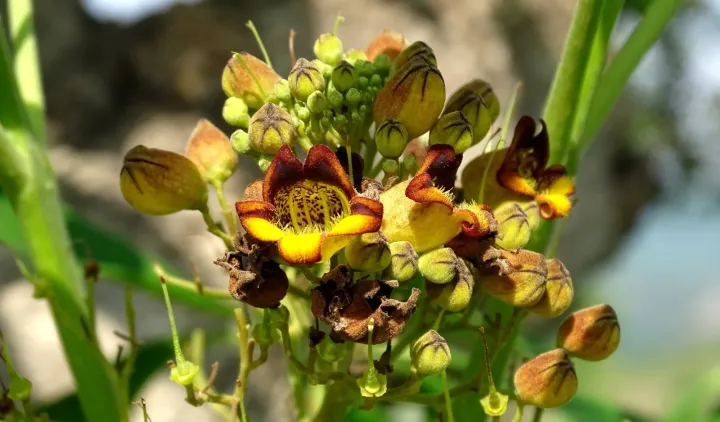
Botanically, Godmania aesculifolia features a spreading canopy and showy flowers that are characteristic of the Bignoniaceae family. The tree growth habit makes it suitable for open spaces and public parks in frost-free regions.
Regarding soil requirements, the species demands excellent drainage and a neutral to slightly acidic pH level. It cannot tolerate waterlogged soils, which may lead to rapid root decline and overall plant stress, especially during the seedling stage.
The primary economic use of this plant is ornamental, as it adds structural diversity to tropical landscapes. Furthermore, it serves as a valuable resource for pollinators, playing a positive role in local biodiversity maintenance.
Main diseases and pests
Fungal pathogens are the main threat to Godmania aesculifolia, particularly in humid environments where air circulation is restricted. Managing spacing and pruning helps to mitigate the risk of fungal infections and root rot.
Pests like aphids and scale insects are known to infest the plant, targeting young foliage and tender stems. Farmers and gardeners should implement regular monitoring programs to detect pest activity before it causes significant cosmetic damage.
Spider mites can become a nuisance during hot, dry weather conditions. Providing adequate hydration and keeping the foliage clean can reduce the likelihood of heavy infestations that weaken the tree's overall vigor.
To ensure plant health, it is essential to avoid over-fertilization with nitrogen, which may attract soft-bodied pests. Maintaining a balanced nutrient supply supports the plant's natural defense mechanisms against disease.
Sanitation practices, such as clearing fallen leaves and dead wood from the base of the tree, significantly reduce the breeding ground for harmful fungi and insects, ensuring a healthy growing season for the specimen.