
Glaucosciadium cordifolium
Glaucosciadium cordifolium
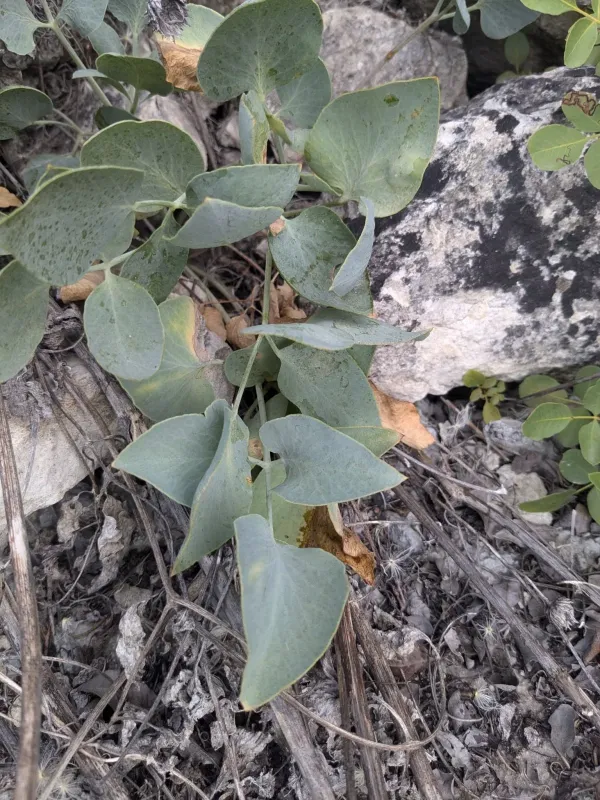
Description
Growing requirements
Glaucosciadium cordifolium is a perennial herbaceous plant belonging to the Apiaceae family. It is recognized for its unique morphological characteristics and its historical distribution in the Mediterranean region.
The crop requires well-drained, calcareous soils with a neutral or slightly alkaline pH to thrive. Proper drainage is essential to prevent physiological disorders related to waterlogging.
It prefers high solar radiation levels, which are critical for the accumulation of secondary metabolites, often valued in specific agricultural or botanical applications.
The climate requirement involves mild winters and moderately warm springs. Sudden frosts during the bolting stage can significantly reduce the potential biomass production.
Cultivation practices should emphasize minimal soil disturbance to protect the root architecture, which is sensitive to mechanical damage during the early stages of development.
Main diseases and pests
Powdery mildew is considered one of the primary fungal threats to this species, especially in environments with poor air circulation and high humidity.
Root rot caused by various soil-borne pathogens poses a significant risk if the soil structure remains saturated for extended periods during the dormancy phase.
Insect pests such as the carrot rust fly or species of moths targeting Apiaceae can cause localized damage to foliage and developing inflorescences.
Effective pest management involves early detection of symptoms and the implementation of cultural practices like crop rotation to break pathogen cycles.
Monitoring for aphids is crucial, as they can transmit viral diseases that significantly reduce the overall vigor and productivity of the plant stand.