
Givotia madagascariensis
Givotia madagascariensis
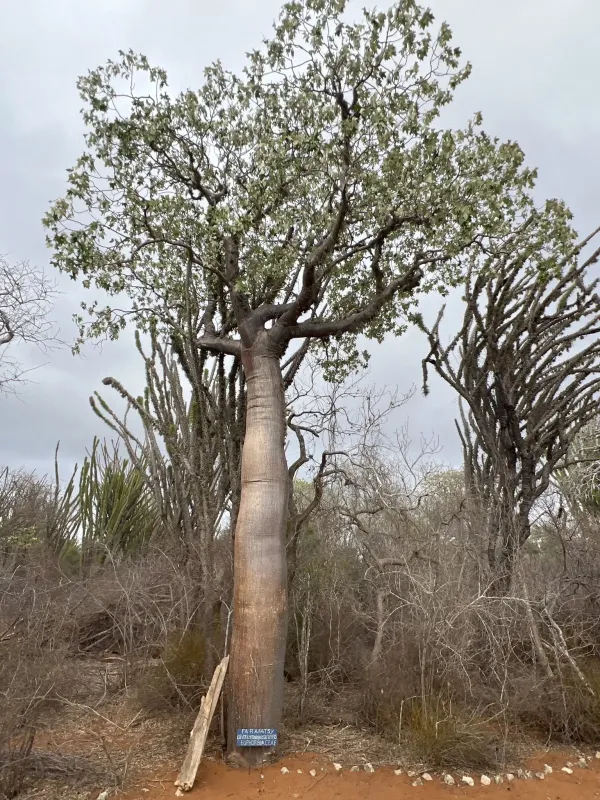
Description
Growing requirements
Givotia madagascariensis is a fast-growing tree species belonging to the Euphorbiaceae family. Native to the island of Madagascar, this plant is primarily known for its lightweight wood and adaptation to dry tropical environments, making it a sustainable forestry resource.
The species thrives in semi-arid regions where rainfall is seasonal. Its natural distribution is largely concentrated in the dry forests of Madagascar, where it demonstrates remarkable resilience to drought, which is a key trait for successful agroforestry in similar climates.
Optimal growth is achieved in well-drained, sandy or loamy soils. Givotia madagascariensis requires full sun exposure to maintain its rapid growth rate; therefore, site selection is critical, avoiding shaded areas that can stunt development during the establishment phase.
Agronomic practices focus on early-stage weed control and ensuring adequate soil moisture during the first few years after planting. Although the tree is drought-tolerant, supplemental irrigation in the juvenile stage can significantly improve wood density and overall biomass production.
The primary economic use of this tree is its exceptionally light and soft timber. This wood is highly valued in the production of specialized tools, fishing floats, and intricate handicrafts due to its excellent buoyancy and ease of carving compared to denser timber species.
Harvesting
The harvest cycle for this species is relatively short due to its fast growth characteristics. Sustainable logging practices are generally applied, ensuring that the tree stands are managed for continuous yield while maintaining the local ecological balance of the plantation.