
Ginoria glabra
Ginoria glabra
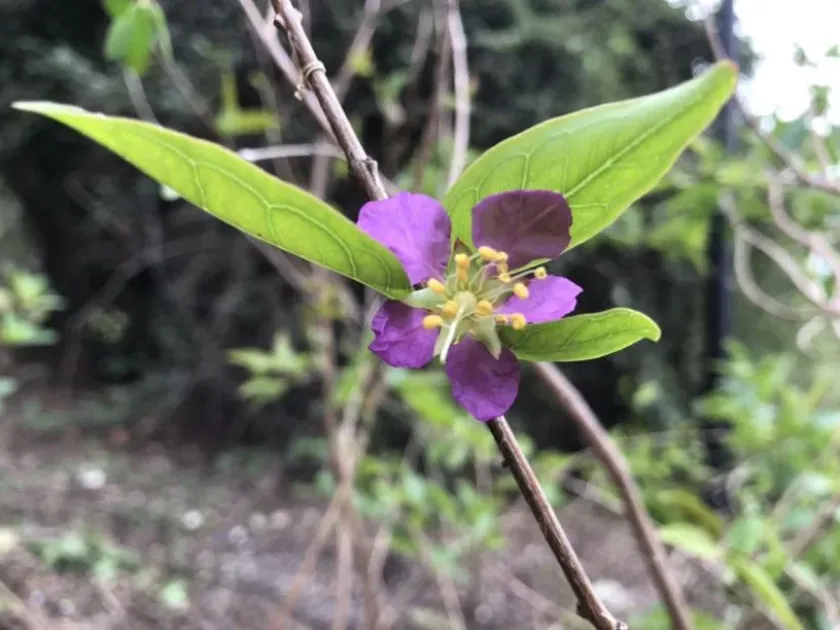
Description
Growing requirements
Ginoria glabra is a perennial shrub species belonging to the Lythraceae family. Native to tropical regions, it is appreciated primarily for its distinct foliage and growth habit, which makes it an interesting subject for greenhouse and botanical cultivation.
The culture thrives in fertile, well-draining soils with a slightly acidic to neutral pH level. A mix consisting of organic matter, peat, and coarse sand is highly recommended to ensure adequate aeration of the root system while retaining the necessary moisture.
Light requirements are centered around bright, filtered sunlight. While the plant appreciates energy for photosynthesis, direct sun exposure during mid-day hours is often too intense and can scorch the leaves, necessitating partial shade.
Temperature management is critical for Ginoria glabra. As a tropical plant, it demands consistent warmth; temperatures should ideally remain above 16-18 degrees Celsius, as even short periods of cold stress can lead to leaf drop.
Humidity is a key factor for success, with an ideal range between 60% and 75%. Supplemental humidity via misting or electronic humidifiers is essential, particularly during winter months when indoor heating systems tend to dry out the air.
Main diseases and pests
Spider mites are the most frequent pests, especially when the ambient humidity drops below recommended levels. These pests thrive in dry conditions and can cause significant foliage damage if not treated promptly.
Mealybugs can also infest the stems and leaf axils. Mechanical removal combined with the use of systemic insecticides is often necessary to control severe outbreaks and prevent the plant from becoming stunted.
Root rot remains the most serious threat to the longevity of Ginoria glabra. It is typically caused by overwatering or soil mixes that lack sufficient drainage, leading to oxygen deprivation in the root zone.
Fungal infections, such as leaf spot, may appear if air circulation is poor. Proper spacing and pruning of dead wood help maintain good airflow, significantly reducing the likelihood of disease transmission among plants.
Nutrient deficiencies often manifest as chlorosis or premature leaf senescence. Ensuring a balanced fertilization program helps maintain the plant's natural immunity, making it less susceptible to the aforementioned pests and diseases.