
Gigasiphon macrosiphon
Gigasiphon macrosiphon
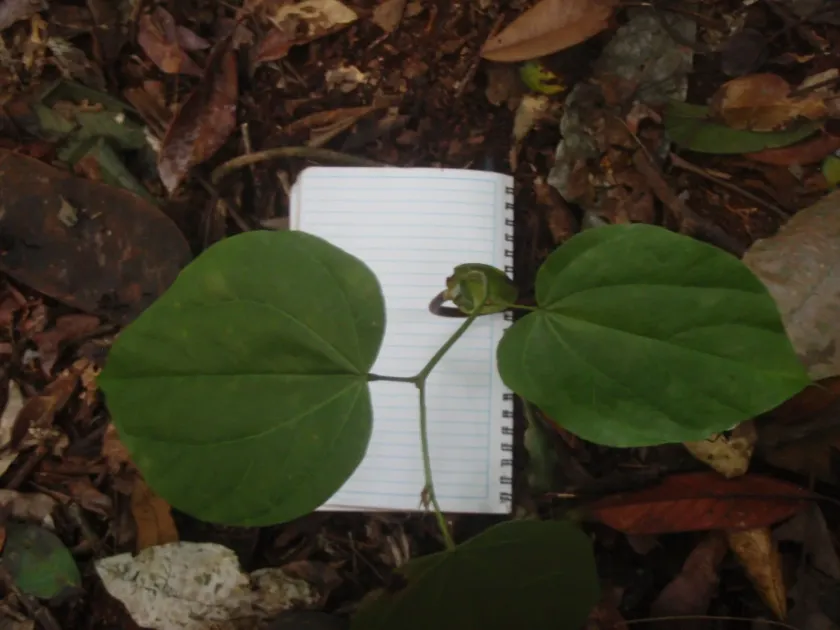
Description
Growing requirements
Gigasiphon macrosiphon is a rare woody member of the Fabaceae family, native to the coastal tropical forests of East Africa. This species is particularly noted for its distinctive, long-tubed flowers which are specialized for pollination by nocturnal insects.
Botanically, the plant develops into a robust tree form, characterized by large, coriaceous leaves. Its structure reflects an adaptation to the high-competition, high-humidity environment of the African coastal scrub and forest ecotones.
Climate requirements for this culture are strictly tropical, demanding high ambient humidity and consistently warm temperatures throughout the year. It does not possess any frost tolerance, making outdoor cultivation impossible in temperate zones.
Soil requirements involve well-draining, nutrient-rich substrates that mimic forest floor conditions. The plant performs best in neutral to slightly acidic soils where the root system can maintain adequate gas exchange without waterlogging risks.
Currently, the use of Gigasiphon macrosiphon is primarily centered on conservation botany and botanical garden displays. There is potential for future utilization in tropical horticultural sectors if sustainable propagation methods are standardized.
Main diseases and pests
The main threat to the species is habitat destruction, primarily due to land clearing and coastal development. Its limited geographical range makes it highly susceptible to local environmental shifts.
Insects such as leaf-eating beetles and specialized larvae represent the primary biotic threats. Regular scouting is essential, particularly in nursery settings, to manage populations before they cause significant defoliation.
Fungal pathogens flourish in the stagnant, high-humidity conditions typical of tropical greenhouses. Proper air circulation and controlled irrigation are the most effective strategies to prevent the onset of foliar and stem rots.
Root system health is critical, as susceptibility to soil-borne pathogens increases significantly when drainage is compromised. Standard practice includes the use of sterilized media and careful monitoring of irrigation intervals.
Ongoing research is focused on understanding the susceptibility of the species to various viral threats that affect tropical Fabaceae. Maintaining strict quarantine procedures for any new germplasm is recommended to ensure long-term health of cultivated populations.