
Ghinia curassavica
Ghinia curassavica
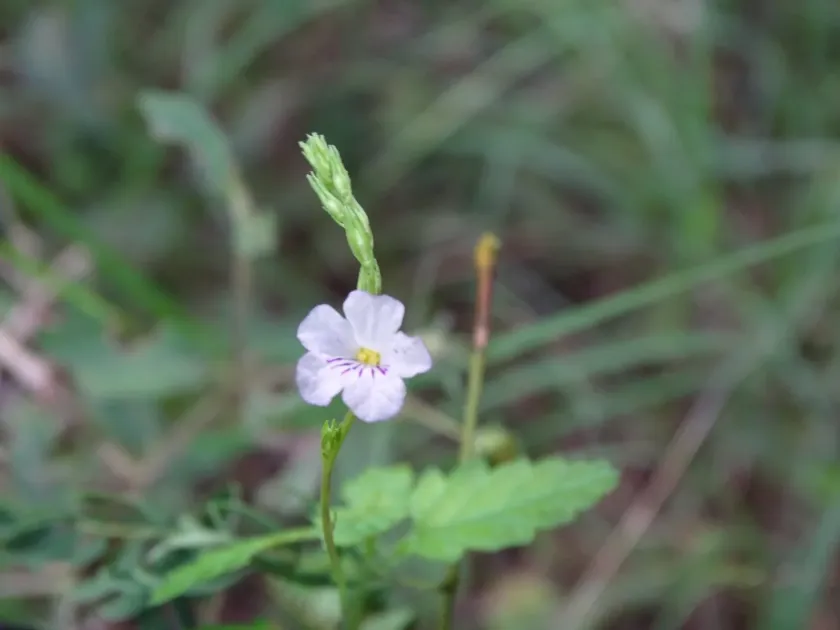
Description
Growing requirements
Ghinia curassavica is a herbaceous plant belonging to the Verbenaceae family, native to the tropical regions of the Caribbean and South America. It typically grows as a sprawling herb in warm, humid climates.
Botanically, the plant features opposite leaves and small, distinctive flowers arranged in elongated spikes. It is characterized by its adaptability to various soil types, provided they are well-drained and nutrient-rich.
The climate requirements for this species are strict, as it is a strictly tropical plant. It thrives in conditions with high light intensity and constant warmth, failing to survive temperatures below 10-12 degrees Celsius.
For successful growth, it requires consistent moisture throughout the growing season. In field cultivation, soil preparation should focus on achieving optimal drainage to prevent waterlogging, which the root system cannot tolerate.
Historically, the plant has been used in folk medicine and ethnobotanical contexts, making it an interesting subject for specialized horticulture rather than traditional large-scale agricultural production.
Main diseases and pests
The primary pests affecting Ghinia curassavica are spider mites, which thrive in dry indoor or greenhouse conditions. Regular monitoring of the underside of leaves is necessary for early detection of infestations.
Powdery mildew is the most common fungal disease, often triggered by poor air circulation and excessive humidity levels in enclosed spaces. Maintaining adequate spacing between plants is crucial for prevention.
Root rot, caused by various soil-borne fungi, remains a threat when the soil medium remains consistently wet for extended periods. Utilizing porous potting mixes can significantly mitigate this risk.
Aphids can cause significant damage not only by sap-sucking but also by acting as vectors for viral pathogens that lead to leaf mosaic and stunted growth of the plant.
Integrated pest management, combining physical inspection with biological control agents, is recommended to keep the plants healthy without relying on harsh chemical pesticides that may damage the delicate foliage.