
Sudeten avens
Geum sudeticum
Description
Growing requirements
Sudeten avens (Geum sudeticum) is a perennial herbaceous plant belonging to the Rosaceae family. Native to the mountainous regions of Central Europe, it thrives in cool and temperate climates.
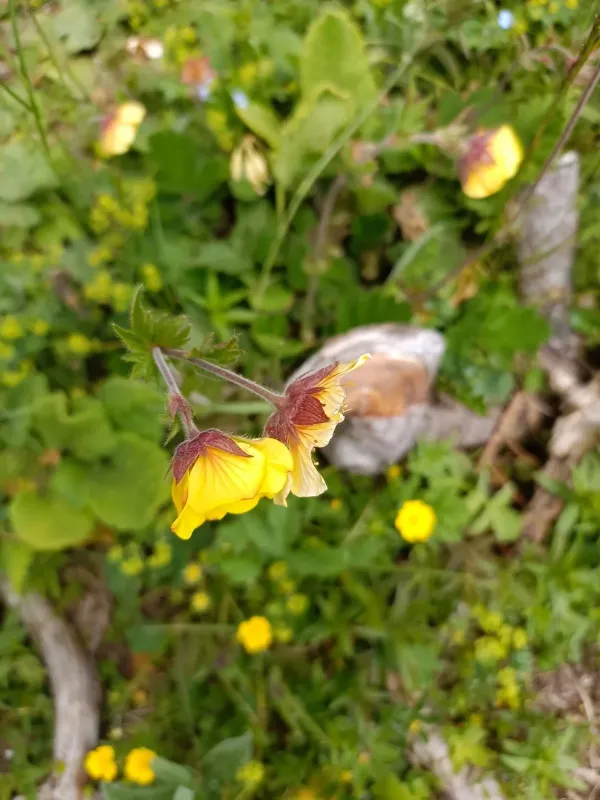
Botanically, the plant features a basal rosette of pinnate leaves and develops upright flowering stems. It is a hardy species well-adapted to high-altitude environmental pressures.
Successful cultivation requires soil that is rich in organic matter and maintains consistent moisture levels. Good drainage is essential, as the species is sensitive to waterlogged conditions that can compromise root health.
The plant prefers sites with full sun to partial shade. In agricultural settings, it is valued for its hardiness and ability to return annually without extensive maintenance.
Cultivation practices include maintaining appropriate soil aeration through seasonal tilling and providing supplemental irrigation during periods of drought, especially during the early growth stages.
Main diseases and pests
The primary threats to Geum sudeticum involve fungal diseases such as powdery mildew, which often develops in stagnant air or environments with high humidity.
Root rot is a critical risk, typically stemming from poor soil drainage or excessive irrigation practices. To mitigate this, growers should ensure sites are elevated or incorporate organic materials to improve soil structure.
Common pests include aphids and spider mites, which can drain nutrients from the foliage. Regular scouting and early intervention with biological or chemical controls are recommended to prevent significant damage.
Cultural management, such as deadheading and thinning out dense patches, ensures proper air circulation and reduces the susceptibility of the plants to pathogen development.
Maintaining a weed-free environment is vital to minimize competition for nutrients and to eliminate potential hosts for pests and diseases within the growing area.