
Geum pentapetalum
Geum pentapetalum
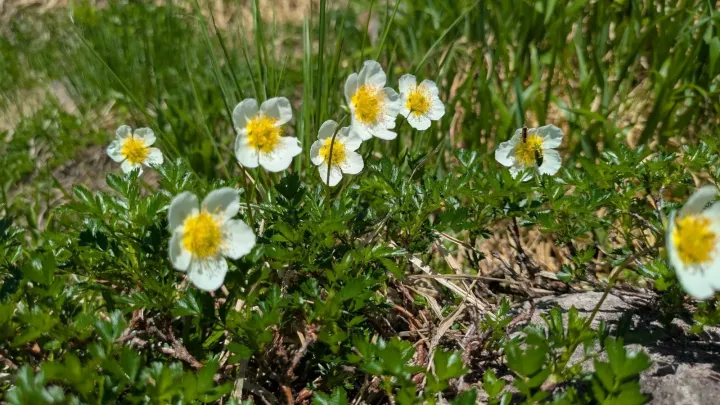
Description
Growing requirements
Geum pentapetalum, often referred to in botanical texts by its synonym Sieversia pentapetala, is a perennial herbaceous plant classified within the Rosaceae family.
This species is native to alpine and subalpine environments, primarily found in high-altitude mountain regions of Eastern Asia and parts of the northern hemisphere, where it adapts to rocky terrain.
For successful cultivation, the plant requires a well-drained, gritty soil profile that mimics its natural scree habitat, preventing water from lingering around the crown.
The climate requirements for this plant emphasize the need for cool temperatures and high atmospheric humidity, making it an ideal candidate for rock gardens in cooler regions.
Proper agro-technique involves mulching with gravel to maintain soil temperature stability and ensuring that the location receives filtered sunlight rather than scorching direct heat.
Main diseases and pests
The primary threat to Geum pentapetalum is root rot, which occurs rapidly if the plant is grown in compacted, waterlogged, or heavy clay soils that lack proper drainage.
Fungal issues such as powdery mildew can affect the foliage during periods of stagnant, humid air, necessitating adequate space between plants to improve airflow and microclimate.
Common pests like aphids and spider mites can attack the plant during dry spells, which necessitates monitoring the undersides of leaves and applying control measures promptly.
Disease management is best handled through preventative cultural practices, such as avoiding overhead irrigation and maintaining a strict, moderate watering schedule during the heat.
If pathogens are detected, targeted biological controls or appropriate pesticides should be applied, taking care to minimize stress on the sensitive perennial root system.