
Geum heterocarpum
Geum heterocarpum
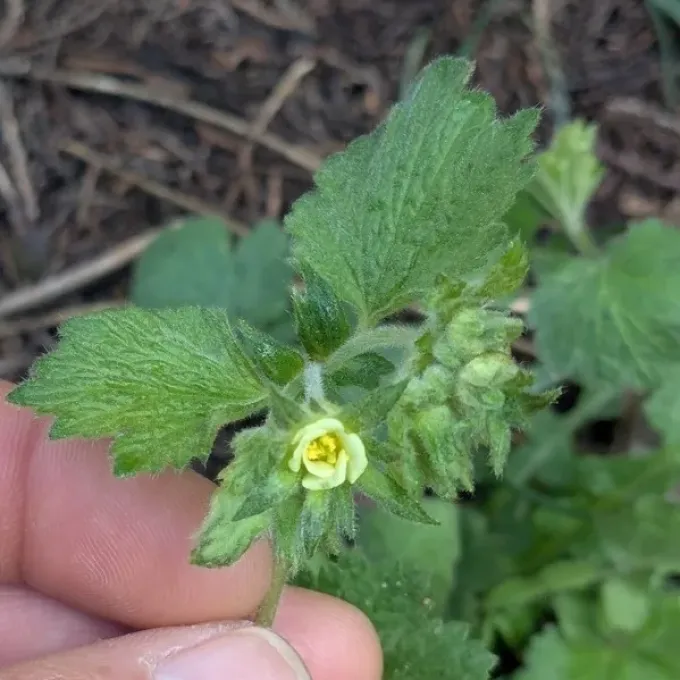
Description
Growing requirements
Geum heterocarpum, commonly known as a type of avens, is a perennial herbaceous plant belonging to the Rosaceae family. This species is valued for its specific ecological niche and unique botanical structure, which requires particular attention to environmental conditions during cultivation.
The plant thrives best in temperate climates, showing a preference for regions with distinct seasons and adequate moisture levels throughout the growing cycle. Successful cultivation relies on site selection that provides sufficient drainage to prevent water stagnation in the root zone.
Soil composition is critical for Geum heterocarpum, favoring fertile loamy soils with a neutral or slightly alkaline pH. The presence of organic matter significantly boosts growth, ensuring the plant receives necessary nutrients for vigorous development and flower production.
Light requirements for this crop involve partial to full sun, depending on the intensity of the regional climate. Excessively high temperatures combined with dry air require mitigation strategies, such as mulching the soil surface to maintain moisture balance.
Agronomic management involves periodic aeration of the soil to facilitate root respiration. Proper spacing during planting is essential to ensure adequate airflow, which prevents the development of fungal pathogens and promotes uniform growth across the field.
Main diseases and pests
Geum heterocarpum is susceptible to several fungal diseases, particularly under conditions of high humidity and poor ventilation. Root rot and leaf spots are common threats that can significantly reduce the vitality of the crop if not managed through preventative agronomic practices.
Pest pressure from aphids and mites can occur during the active growing season, especially in dry and warm weather. Regular scouting for these insects is necessary to implement control measures before significant damage to the foliage occurs.
Crop rotation plays a vital role in preventing the build-up of soil-borne pathogens. Avoiding fields previously planted with other members of the Rosaceae family helps in maintaining healthy soil conditions and reducing infection risks.
Integrated Pest Management (IPM) strategies, including the use of biological controls and selective application of pesticides, are highly recommended. These practices ensure the health of the crop while minimizing the impact on local biodiversity.
In conclusion, a healthy crop depends on strict adherence to sanitation protocols. Removing infected plant debris and maintaining good hygiene practices throughout the field are fundamental to achieving stable yields and high plant quality.