
Genlisea margarethae
Genlisea margarethae
Description
Growing requirements
Genlisea margarethae is a remarkable species of carnivorous plant belonging to the Lentibulariaceae family. Native to tropical Africa and Madagascar, this species has evolved in nutrient-poor wetland environments, necessitating the development of unique predatory mechanisms to survive.
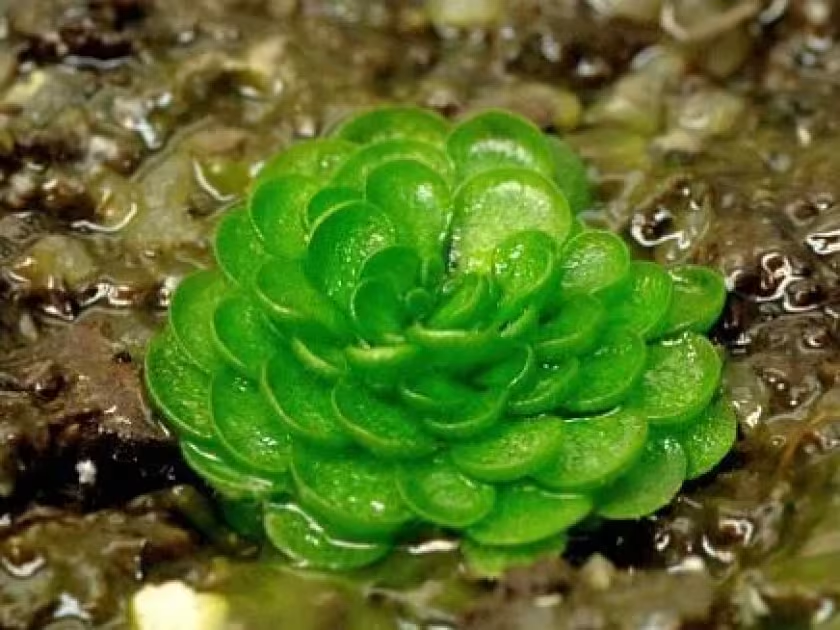
The plant features two types of leaves: photosynthetic surface rosettes and specialized subterranean leaves. These underground traps, shaped in a Y-form, utilize a vacuum effect to capture soil protozoa and microscopic invertebrates, providing the plant with essential nutrients.
Cultivation of this species requires a specific substrate mixture, typically consisting of sphagnum moss and silica sand. It is vital to maintain a high level of moisture while ensuring that the medium remains well-drained to prevent the accumulation of toxic salts or stagnant water.
The optimal environment for Genlisea margarethae includes high humidity levels, ideally above 75%, and a stable, warm temperature ranging from 20°C to 28°C. Artificial lighting is often used to replicate tropical conditions in controlled indoor setups or specialized greenhouses.
In terms of human use, this plant is strictly an ornamental specimen for collectors and botanical enthusiasts. It serves as an educational model for studying plant evolution and the complex adaptations of carnivorous flora in competitive natural ecosystems.
Main diseases and pests
Fungal infections remain the primary threat to the stability of the plant, often resulting from poor airflow or substrate decomposition. Proper maintenance of environmental sanitation is essential to prevent these pathogens from destroying the delicate root-trapping system of the plant.
While pests are not the main cause of mortality, infestations of mealybugs can weaken the plant, especially in drier environments. Collectors should be cautious, as the plant's sensitivity to synthetic chemicals limits the use of traditional pesticides for pest control.