
Gaudichaudia albida
Gaudichaudia albida
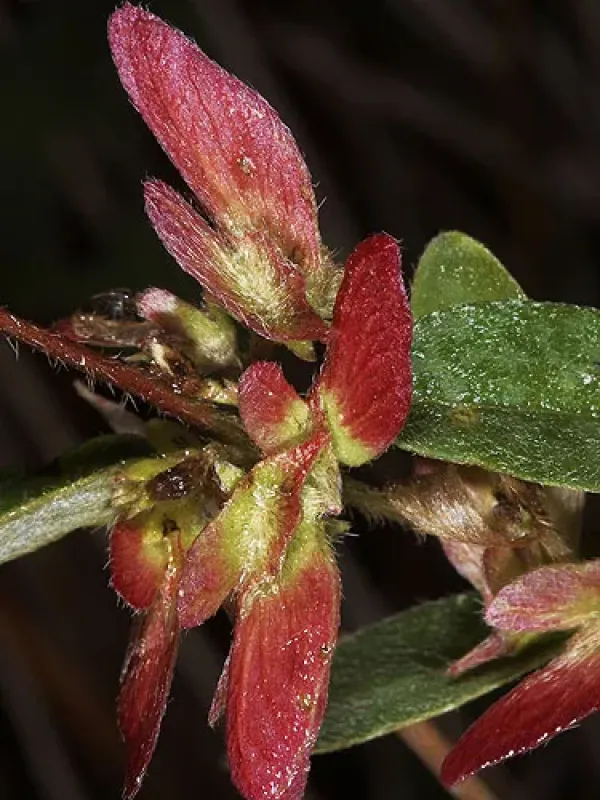
Description
Sowing dates
Gaudichaudia albida is a plant belonging to the Malpighiaceae family. It naturally grows as a perennial vine or subshrub, adapted to tropical environments with specific rainfall patterns that dictate its growth cycles.
When cultivating this species, seeds should be sown in a temperature-controlled environment ranging from 22 to 26 degrees Celsius. Early spring is typically the ideal time to start, as increasing daylight hours support vigorous early growth.
Seeds should be planted at a depth of 1–2 centimeters in well-prepared, warm soil. Proper pre-soaking or stratification techniques may be necessary to maximize germination rates, which usually occur within two to three weeks.
Using a nutrient-rich, airy substrate is essential to promote the development of a healthy root system. Ensuring the soil is not overly compacted helps the seedlings emerge without unnecessary resistance, leading to stronger initial establishment.
During the early seedling phase, provide light shade to prevent desiccation from intense sunlight. Gradually acclimatizing the young plants to their permanent growing location ensures higher survival and vitality rates.
Growing requirements
Gaudichaudia albida thrives in well-drained, sandy loam soils with a neutral or slightly acidic pH. Effective drainage is the most critical factor, as these plants are highly susceptible to root decay if waterlogged.
As a heat-loving plant, it performs best in regions where temperatures remain stable throughout the growing season. Frost must be avoided, as the plant lacks the physiological resilience to withstand freezing conditions.
The plant requires high levels of light to maintain its growth structure and health. Bright, indirect sunlight for at least 8 to 10 hours a day is recommended to prevent etiolation and promote dense foliage development.
Watering practices should be consistent, maintaining moderate soil moisture without saturation. In hotter climates, periodic monitoring is required to adjust irrigation frequency based on evaporation rates and relative humidity.
Applying a balanced fertilizer during the peak growing season supports the plant's nutritional requirements. Micronutrient supplementation is especially beneficial for maintaining dark, healthy foliage and overall vigor.
Main diseases and pests
Spider mites are the most common pests, particularly when environmental conditions are dry and air circulation is poor. Regular monitoring and maintaining proper humidity can significantly mitigate the risk of infestation.
Powdery mildew may occur if the planting density is too high or if air circulation around the stems is restricted. Proper spacing and thinning help maintain the canopy's health and reduce fungal outbreaks.
Root rot, driven by over-irrigation or heavy soil, poses a major risk. Ensuring the topsoil dries out slightly between waterings is a standard practice to prevent the proliferation of pathogenic fungi.
Aphids can target soft, new shoots during the spring growth flush. Integrated pest management, including the use of biological controls or mild soap solutions, is often sufficient to keep populations under control.
Sanitation practices, such as removing dead or dying plant material, are essential for maintaining a clean growing area. This reduces the primary inoculum source for various diseases that might impact plant health.