
Garhadiolus angulosus
Garhadiolus angulosus
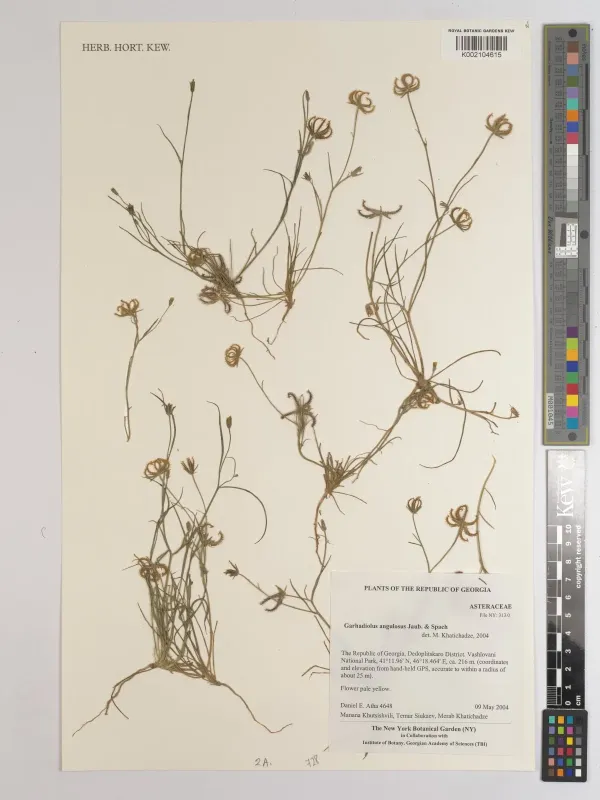
Description
Growing requirements
Garhadiolus angulosus is an herbaceous plant belonging to the Asteraceae family. Known for its specific botanical structure, it is often documented in botanical surveys and agricultural field assessments as a species that interacts with local ecosystems and cultivated lands.
The plant thrives in open, sunny habitats and is well-adapted to varied soil types, including sandy and loamy soils. It displays high resilience to environmental fluctuations, allowing it to establish effectively in diverse temperate agricultural landscapes.
Morphologically, the species is identified by its distinctively angular-lobed leaves and typical aster-like flower heads. This growth pattern provides the plant with significant leaf area for photosynthesis, contributing to its competitive vigor during the growing season.
Its root system is designed for efficient nutrient and water uptake from different soil layers, which enables the plant to survive in conditions where water availability might be periodically restricted. Such traits make it a robust competitor in field environments.
The life cycle of Garhadiolus angulosus involves efficient seed production, which ensures its persistence in the environment. Understanding its phenology is key to managing its presence in agricultural fields effectively and preventing unwanted spread.
Main diseases and pests
The species is susceptible to various fungal pathogens that commonly affect the Asteraceae family. Symptoms include leaf spotting and powdery mildew, which can significantly reduce the overall vitality of the plant population under humid conditions.
Pests, particularly aphid species that feed on phloem sap, pose a threat to the plant's development. Heavy infestations can lead to stunting and reduced seed viability, impacting the plant's ability to propagate successfully in the following season.
Mechanical management remains a primary control method in fields. Regular cultivation and plowing effectively disrupt the root structure and prevent the establishment of the plant before it transitions into its reproductive growth stage.
Chemical control options are generally available, involving the use of selective herbicides that target the growth processes of broad-leaved weeds. Timely application during the early vegetative phase is essential for optimal efficacy and protection of desired crops.
Integrated pest management strategies focusing on crop rotation and the maintenance of healthy soil conditions provide long-term benefits in minimizing the presence of this plant. Consistent monitoring of field margins and interior sections is recommended for prevention.