
Gamblea innovans
Gamblea innovans
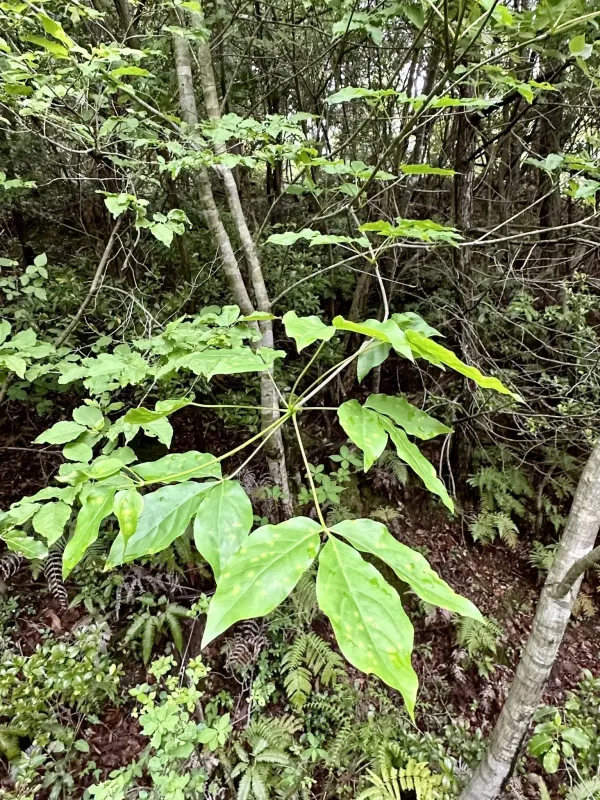
Description
Sowing dates
Propagation of Gamblea innovans is typically performed using seeds that require stratification to ensure consistent and uniform germination rates.
The sowing process involves using a high-quality, well-draining substrate in a controlled environment with temperatures maintained around 20 degrees Celsius.
Cuttings can also be used for propagation, focusing on semi-hardwood stems harvested during the peak of the active growing season.
Seedlings need to be kept in a protected environment with diffused lighting until they reach a sufficient size for transplanting into containers.
Once hardened off, the plants are moved to their permanent outdoor location during late spring, ensuring the soil is sufficiently warm for growth.
Growing requirements
Gamblea innovans belongs to the Araliaceae family, characterized by its unique foliage and shrub-like growth habit in suitable conditions.
The plant demands rich, loamy, and slightly acidic soil that is kept moist but not waterlogged to prevent root decay and developmental issues.
Choosing an appropriate site is crucial; the plant prefers semi-shaded areas protected from strong, drying winds which could damage its leaves.
Adequate air circulation is necessary to maintain overall plant vigor and reduce the likelihood of fungal infections in dense canopy areas.
Winter protection is advised in cooler climates, including applying a layer of organic mulch around the base to stabilize soil temperature.
Main diseases and pests
Common threats to this species include root rot pathogens that thrive in compacted or overly saturated soil conditions during wet periods.
Insect pests, specifically scale insects and spider mites, are known to target the foliage, significantly affecting the plant's aesthetic value.
Integrated pest management strategies should include the use of horticultural oils and specific systemic insecticides when infestations are detected.
Pruning is a vital practice not only for shaping the plant but for removing diseased branches that may harbor potential disease vectors.
Routine inspection of the foliage is recommended to ensure early detection of any stressors or pest activity before they become severe.