
Galium rhodopeum
Galium rhodopeum
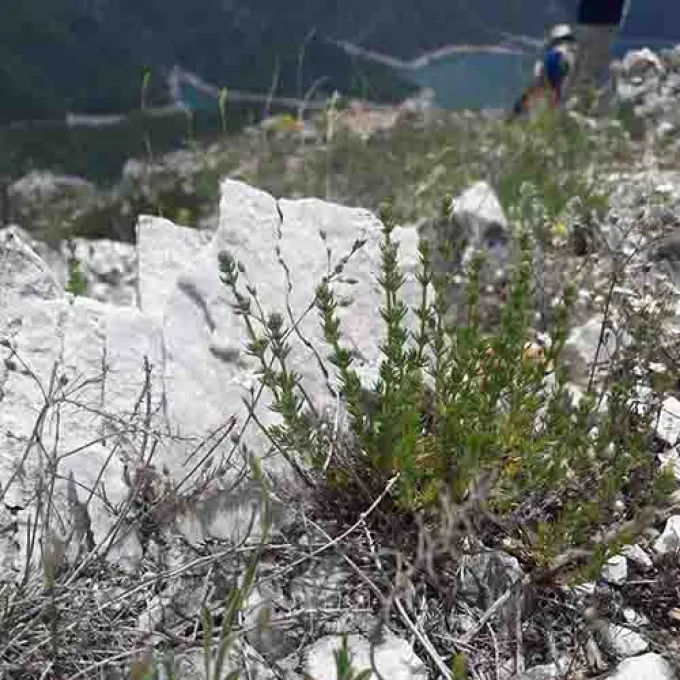
Description
Sowing dates
Galium rhodopeum is a perennial herbaceous plant belonging to the Rubiaceae family. In agricultural practice, it is sown either in late autumn before the ground freezes or in early spring once soil temperatures reach 5-8 degrees Celsius.
Sowing depth should be kept shallow, between 1 and 2 centimeters, as the seeds are small and require light for optimal germination. Proper seedbed preparation is essential to ensure the field is free from competitive weeds.
The seedlings grow slowly during the first year, focusing on root system and basal rosette development. A row spacing of approximately 45 centimeters is recommended to allow for efficient weeding and air circulation between the plants.
Seed stratification for 30-45 days at low temperatures can significantly increase germination rates and field uniformity. Precision seeding ensures that the desired plant density is achieved without the need for manual thinning.
Maintaining high soil moisture during the initial germination phase is critical for the success of the stand. Once established, the plants become more resilient to fluctuating environmental conditions.
Growing requirements
The crop prefers well-lit areas but can tolerate partial shade during peak summer months. It requires consistently moist soil but is highly sensitive to waterlogging, which often leads to root rot and plant death.
Fertile loamy soils with a neutral to slightly alkaline pH are ideal for this species. The land must be well-drained, as the plant cannot thrive in heavy, compacted clay substrates that prevent root respiration.
Moderate temperatures are preferred, as excessive heat can cause the foliage to wilt and reduce its quality for medicinal use. The plant is hardy and adapts well to temperate continental climates with sufficient snow cover in winter.
Tillage and soil aeration are beneficial throughout the growing season to prevent surface crusting. Organic matter supplementation before planting helps maintain the soil structure and nutrient balance necessary for robust growth.
Regular fertilization with balanced NPK formulas, specifically focusing on phosphorus during the early stages, encourages deep root establishment. Excessive nitrogen should be avoided to prevent overgrowth and susceptibility to fungal issues.
Yield
Yield capacity for Galium rhodopeum depends on environmental factors and the level of management. Typically, the highest biomass production occurs in the second and third years of the plantation's lifespan.
Harvesting is best performed during the peak flowering stage, which ensures the highest concentration of essential phytochemicals. The total dry weight per hectare reflects the efficacy of the applied agronomic practices.
After the fourth year, yields usually decline, necessitating field renovation or replanting to maintain economic viability. The plant exhibits high biomass density if weeds are managed effectively in the early stages.
Commercial potential is closely tied to the preservation of leaf integrity during the harvesting process. Mechanized cutting must be calibrated to ensure that the material is not contaminated with soil or debris.
Post-harvest processing is the most critical step for yield preservation. Maintaining the correct temperature and humidity levels during storage prevents degradation of the plant's valuable secondary metabolites.
Main diseases and pests
Root rot is the most significant threat to the crop, often triggered by prolonged excess water and poor soil drainage. Implementing a proper crop rotation cycle is essential to mitigate soil-borne pathogen accumulation.
Pests such as aphids and leaf-eating beetles can cause aesthetic and quantitative damage. Integrated pest management, including the use of biological control agents, is recommended during the sensitive flowering phase.
Weeds compete aggressively for nutrients and light, particularly in the first year. Manual or mechanical weeding between rows is necessary to prevent weed-related diseases and ensure healthy stand development.
Nematode infestations can occur in lighter, sandy soils. Proper field sanitation and avoiding the use of contaminated plant material are effective preventive measures against these subterranean pests.
- Monitoring for pest presence.
- Crop rotation every 5 years.
- Ensuring proper soil drainage.
- Timely removal of weeds.
- Controlled irrigation practices.
Harvesting
Harvesting is conducted by mowing the aerial parts of the plant at a height of 5–10 centimeters above the ground. Dry weather is essential for this process to prevent moisture accumulation and rot in the harvested mass.
Immediately after cutting, the biomass must be transported to a drying facility. Drying should occur in shaded, well-ventilated areas to protect the leaves from solar degradation and maintain natural color.
Over-drying makes the stems brittle and decreases the overall quality of the product. The material should reach a moisture content that allows for stable long-term storage without the risk of microbial growth.
Storage facilities must be cool, dark, and dry. Packaging in breathable containers helps maintain the herb’s shelf-life and protects it from pests or environmental pollutants that could degrade its market value.
The final product is evaluated based on its scent, color, and lack of foreign matter. Adherence to these strict post-harvest protocols ensures a premium-grade product suitable for various pharmaceutical applications.