
Galium montis-arerae
Galium montis-arerae
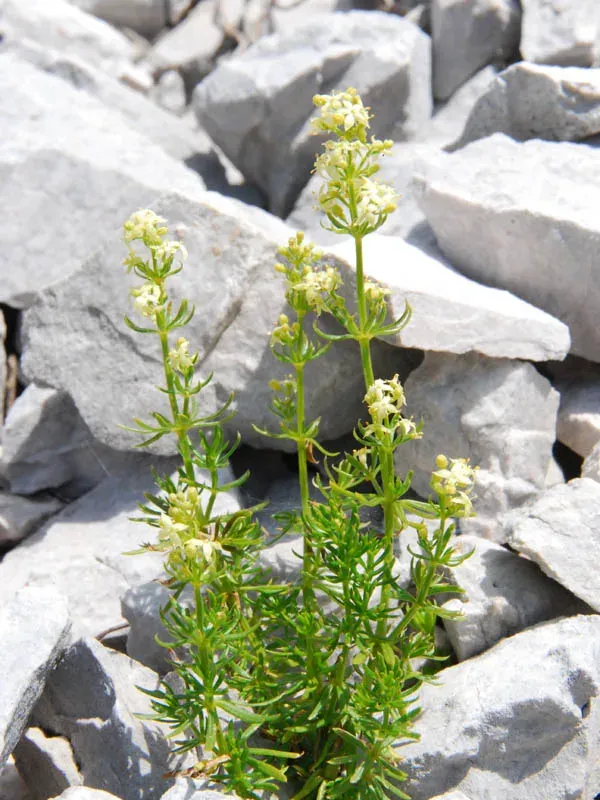
Description
Growing requirements
Galium montis-arerae is a perennial herb belonging to the Rubiaceae family. Native to the high-altitude regions of the Italian Alps, specifically the Arera mountain range, this plant is well-adapted to harsh, rocky environments and high solar radiation.
The plant requires well-drained, calcareous soils that are typical of its natural habitat. It thrives in stony substrates where moisture does not accumulate, as the root system is highly sensitive to waterlogging and soil compaction.
Regarding climate, this species prefers cool temperatures and cannot tolerate intense, prolonged heat. Exposure to full sunlight is essential for the healthy development of its stems and flowering, but the surrounding air must remain fresh and circulating.
In agricultural settings, maintaining an alpine-like microclimate is crucial. Growers should focus on selecting locations with good airflow to prevent stagnant heat and ensure the plant receives sufficient moisture through mineral-rich, porous soil.
The agronomic maintenance of this plant is minimal but precise. Fertilizer application should be kept to a absolute minimum, as the species is accustomed to nutrient-poor soils; an excess of nitrogen can cause weak, etiolated growth.
Main diseases and pests
The main threat to Galium montis-arerae in cultivation is fungal pathogens related to root rot. High soil moisture, especially during warm spells, encourages the growth of various soil-borne fungi that can decimate a stand within weeks.
Pests such as aphids and leaf miners often target the tender foliage during the spring growth phase. Monitoring the undersides of the leaves is a necessary practice for early detection and mitigation of potential infestations.
Competitive weeds pose a significant threat due to the slow growth rate of this species. If the surrounding area is not kept clear of opportunistic weeds, the plant can easily be outcompeted for light and soil minerals.
Excessive humidity in the air is another major risk factor. It creates conditions favorable for powdery mildew, which can coat the leaves and significantly reduce the photosynthetic capacity of the plant, leading to overall decline.
To manage these threats, farmers must prioritize drainage and spacing. Providing adequate space between individuals prevents the buildup of humidity, while consistent site cleaning reduces the probability of hosting garden pests.