
Galium humifusum
Galium humifusum
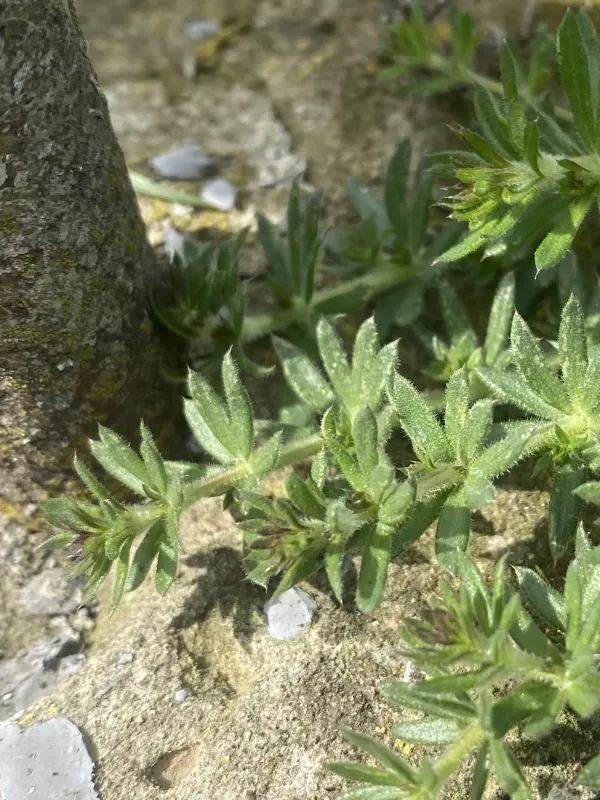
Description
Sowing dates
Galium humifusum is a herbaceous perennial belonging to the Rubiaceae family, known for its prostrate growth habit and spreading stems that root at the nodes.
Seed propagation is the standard method, with autumn sowing being highly recommended to allow for natural stratification, which significantly improves germination rates.
Seeds should be sown shallowly in well-prepared, loose soil, ensuring they are barely covered, as light can be a beneficial factor for initial seedling development.
In cases of spring planting, artificial stratification in a cold environment for at least six weeks is essential to break seed dormancy and ensure uniform emergence.
Plant spacing should be calculated based on the goal of ground coverage, as the species naturally forms dense mats that can easily outcompete surrounding weeds.
Growing requirements
The plant thrives in sunny to partial shade locations and is well-adapted to the temperate climate conditions of its native Eurasian habitats.
Ideal soil conditions include light, well-draining structures such as sandy or loamy soils with a neutral or slightly alkaline pH level.
Proper water management is critical, as the crop prefers consistent moisture but is highly intolerant of waterlogged soil, which can lead to root rot.
While the plant is quite hardy, providing shelter from cold, desiccating winds in early spring can help maintain the health of the foliage and stems.
Minimal fertilizer application is required; an overabundance of nitrogen should be avoided as it stimulates excessive leafy growth at the expense of root stability.
Main diseases and pests
Disease management primarily focuses on preventing fungal infections caused by high humidity, poor air circulation, or overcrowding within the planting area.
Leaf rust and powdery mildew are the most common pathogens that can affect the quality of the crop if preventive measures are not taken in time.
Pests, particularly aphids and spider mites, can cause significant damage during hot and dry spells, necessitating regular inspection of the lower leaf surfaces.
Cultural control methods, such as removing debris and ensuring adequate spacing, are the most effective ways to reduce the overall impact of pest populations.
Integrated pest management strategies should be prioritized, focusing on cultural and biological controls rather than relying solely on chemical interventions.