
Galium broterianum
Galium broterianum
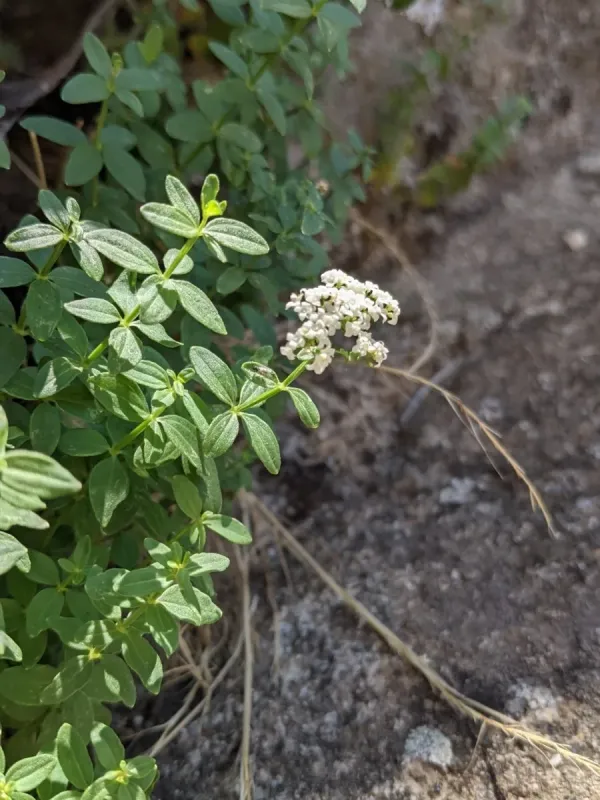
Description
Sowing dates
Sowing Galium broterianum should be performed in early spring when the soil temperature consistently reaches 10-12 degrees Celsius to ensure uniform germination.
Seeds require a short period of cold stratification to overcome dormancy, which is a crucial step for achieving a high percentage of emergence in the field.
The optimal planting depth is between 1 and 2 centimeters; planting too deep can significantly reduce the vitality of the seedlings and lead to failures.
Maintaining proper spacing between rows, typically around 40 centimeters, is essential for adequate light penetration and simplified mechanical weeding.
Soil moisture levels must be monitored carefully immediately after sowing, as the seeds are sensitive to desiccation in the top layer of the soil.
Growing requirements
As a member of the Rubiaceae family, Galium broterianum thrives in well-drained, nutrient-rich soils with a neutral or slightly acidic pH balance.
The plant requires good soil aeration to prevent the development of root diseases, as it is particularly susceptible to waterlogged conditions in heavy clay soils.
While it is moderately drought-tolerant, consistent irrigation during the peak growing season is necessary to maximize vegetative growth and biomass yield.
Exposure to full sunlight promotes the synthesis of secondary metabolites, although the crop can tolerate partial shade if necessary for site conditions.
Incorporating balanced fertilizers during the initial stage of growth provides the necessary nutrients for the development of a robust and healthy plant architecture.
Yield
The economic yield of Galium broterianum is measured by the total weight of dried aerial parts harvested at the peak of the plant's metabolic activity.
Typical yields depend heavily on site fertility and the intensity of care; consistent weed control is the most significant factor in maintaining high productivity.
The peak concentration of active compounds is usually observed during the mass flowering phase, which is the most recommended time for commercial harvesting.
With correct management, the plantation can remain productive for several years, providing stable annual harvests if soil fertility is maintained through periodic fertilization.
Proper harvest scheduling ensures that the maximum volume of raw material is obtained without compromising the health and longevity of the root system.
Main diseases and pests
Leaf-eating pests are common threats that can cause significant foliage damage, thereby reducing the quality and marketability of the herbal product.
Powdery mildew represents a primary pathological concern, particularly in dense plantings where airflow is restricted and humidity levels remain high.
Root rot pathogens are prevalent in fields with poor drainage systems, making the maintenance of optimal soil moisture a critical preventative strategy.
Weed management remains the most labor-intensive part of cultivation, as chemical herbicides may affect the delicate chemical composition of the plant.
- Implementation of strict crop rotation
- Regular inspection for pest outbreaks
- Utilization of airflow-enhancing planting patterns
Harvesting
Harvesting is performed by mowing the aerial parts of the plants, typically leaving about 5–10 centimeters above the soil surface for quick regrowth.
It is vital to harvest during dry weather to minimize the risk of microbial contamination and to facilitate a more efficient drying process for the plant material.
Immediate processing after harvest is required; the raw material should be spread in thin layers in a shaded, well-ventilated space to prevent heat damage.
Drying temperatures must be strictly controlled, ideally not exceeding 40 degrees Celsius, to preserve the integrity of the delicate essential oils.
Once dried, the crop should be cleaned, sorted for quality, and stored in a cool, dark location away from moisture to ensure long-term shelf stability.