
Funastrum clausum
Funastrum clausum
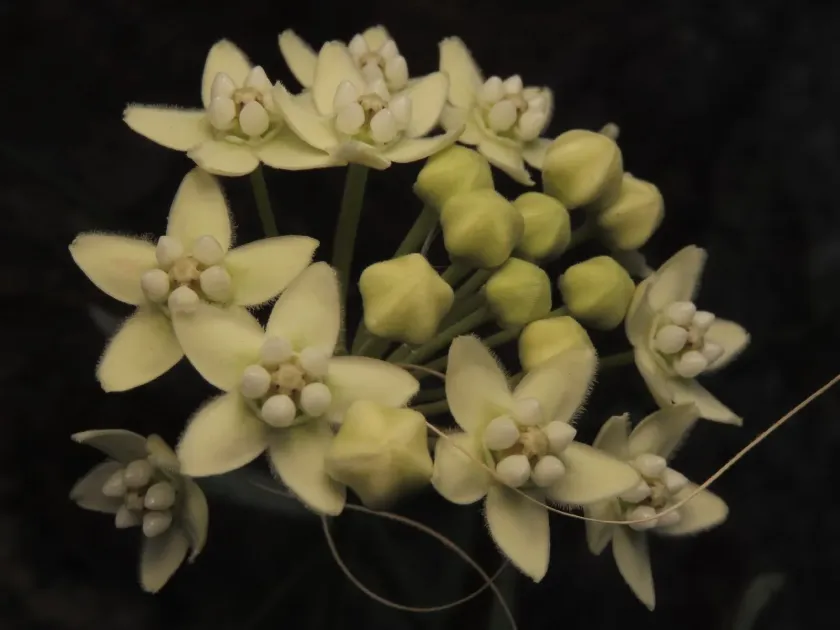
Description
Sowing dates
Funastrum clausum is propagated primarily through seeds or stem cuttings during the spring season. When using seeds, they should be sown in a well-draining soil mix once the soil has sufficiently warmed up after the final frost of the season.
Cuttings should be taken from vigorous, healthy vines and rooted in a moist, sandy medium to ensure rapid establishment. The optimal temperature for the germination and rooting process is approximately 20 to 25 degrees Celsius.
Direct seeding in the field requires spacing of at least one meter between plants to allow for the natural sprawling and climbing behavior of the species. Proper irrigation must be provided during the initial weeks to keep the seedbed consistently moist.
The seeds are equipped with hair-like tufts that facilitate dispersal; therefore, when collecting seeds for planting, it is necessary to harvest the pods just before they fully dehisce to prevent loss.
Seedlings should be hardened off before final transplanting into their permanent location to ensure they can withstand varying levels of light and wind exposure.
Growing requirements
This species belongs to the Apocynaceae family and is known for its ability to produce significant amounts of nectar. It is a highly valued nectar source for bees and various species of butterflies within its native tropical and subtropical regions.
Funastrum clausum thrives in full sun but demonstrates adaptability to partial shade. Its climbing habit requires sturdy structures such as trellises or fences to maximize its vegetative and reproductive output throughout the season.
Soil requirements are relatively flexible, yet the plant performs optimally in fertile, well-draining soils with a neutral pH level. It shows high resilience to drought once established, though consistent moisture enhances both flower count and foliage quality.
The plant is frost-tender and restricted to warm climates. In temperate regions, it is frequently cultivated in protected environments or as a seasonal annual to avoid cold damage that would otherwise kill the vine.
Cultural management includes periodic pruning to shape the plant and remove dead or diseased stems, which promotes the development of fresh, high-yielding growth cycles.
Main diseases and pests
Pests such as aphids and spider mites are the most common adversaries for Funastrum clausum, particularly in protected or greenhouse settings where air circulation may be limited. Biological control methods are preferred to maintain the safety of pollinators.
Fungal pathogens, including powdery mildew, can affect the leaves during periods of high humidity and poor ventilation. Proper spacing and airflow are critical strategies to mitigate the impact of these diseases on plant health.
Root rot resulting from over-irrigation or inadequate drainage is a significant threat that can lead to rapid plant decline. Maintaining a rigorous watering schedule based on soil moisture monitoring is essential for longevity.
Whiteflies may occasionally congregate on the undersides of the leaves, drawing sap and weakening the plant structure. Integrated pest management practices, including regular inspection, help control these populations before they reach threshold levels.
Vigilant monitoring for signs of stress, such as yellowing leaves or stunted stem growth, is necessary to apply timely corrective actions and ensure the continued productivity of the vine.