
Froelichia interrupta
Froelichia interrupta
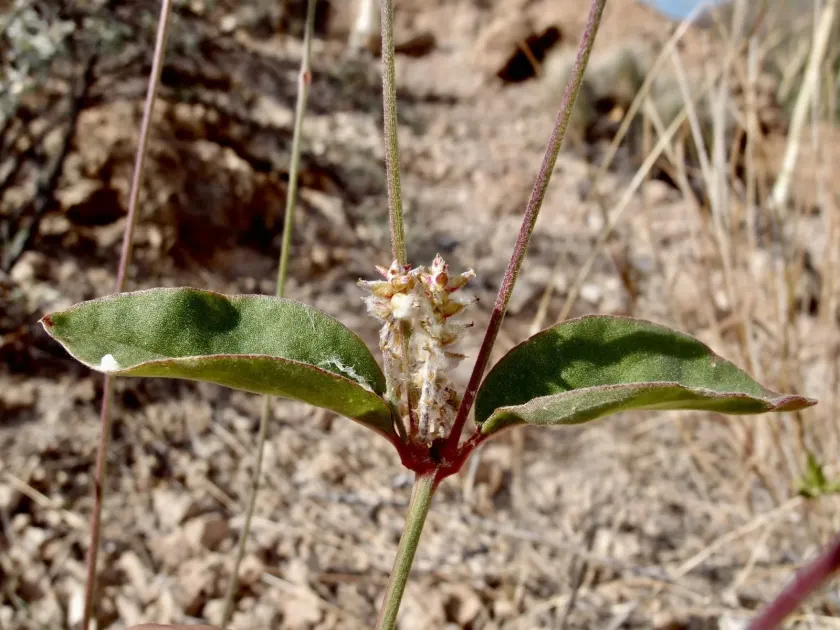
Description
Sowing dates
Froelichia interrupta, commonly known as cottonweed or snake-cotton, is a perennial herb belonging to the Amaranthaceae family. It is native to North and South America, typically found in sandy environments and open grasslands.
The sowing process begins in early spring, once soil temperatures stabilize above 15 degrees Celsius. Due to the small size of the seeds, they should be sown shallowly, ideally at a depth of no more than 1 to 2 centimeters.
Ensuring proper seed-to-soil contact is critical for germination. Since the seeds may have innate dormancy, pre-sowing treatments such as cold stratification or gentle scarification can significantly improve the emergence rate.
Row spacing should be maintained between 30 and 45 centimeters to allow for optimal air circulation and development of the basal rosette. Dense sowing can lead to competition for nutrients and increased humidity around the root zone.
The plant thrives when given sufficient space during the initial stages of growth. Proper weed management during the first few weeks is essential to prevent the slow-growing seedlings from being overtaken by faster-growing weeds.
Growing requirements
This crop is highly prized for its drought tolerance, making it an excellent candidate for semi-arid regions. It performs best in well-drained, sandy or sandy-loam soils where waterlogging is not an issue.
As a heliophyte, Froelichia interrupta requires full sun exposure for the duration of the growing season. Inadequate light levels will lead to weak, elongated stems and lower secondary metabolite production.
The species prefers neutral to slightly alkaline soil pH. In acidic environments, it is recommended to apply lime amendments to optimize nutrient uptake and support overall plant vigor.
While the plant is hardy, it benefits from moderate potassium fertilization, which enhances its resistance to heat stress. Avoid excessive nitrogen, as it may stimulate vegetative growth at the expense of root development.
The irrigation strategy should focus on deep but infrequent watering. Keeping the soil surface slightly dry helps prevent surface-borne diseases and encourages the plant to develop a deeper, more robust root system.
Main diseases and pests
Pathogen pressure on Froelichia interrupta is generally low, provided the cultivation conditions are correct. However, root rot can develop in areas where drainage is poor and soil remains saturated for long periods.
Insects such as caterpillars may feed on the foliage. Routine field scouting is necessary to determine if population levels require intervention, though often the plant can tolerate minor herbivory without significant yield loss.
Fungal diseases like powdery mildew can appear during humid, overcast periods with significant temperature fluctuations. Improving ventilation and maintaining wider row spacing are the most effective preventive measures.
Aphid infestations may occur in dry, hot summers. If necessary, horticultural oils or biological control agents can be used to manage the population without harming beneficial pollinators attracted to the blooms.
Regular maintenance of the field boundaries helps prevent the ingress of invasive weeds. A well-established stand of cottonweed is generally aggressive enough to outcompete most common field weeds.
Harvesting
Harvesting for biomass should be timed with the peak of the flowering stage, when the concentration of desirable phytochemicals is at its highest point in the plant tissue.
Mechanical harvesting is feasible using standardized mowing equipment. The harvested material must be processed immediately to prevent moisture buildup and subsequent degradation of the plant material.
Drying is a critical post-harvest step; the biomass should be spread thinly in a well-ventilated, shaded area. Avoiding direct sunlight during drying helps preserve the plant's essential components and natural coloration.
Seed harvesting should be performed once the spikes turn a characteristic brown color. Given the propensity of seeds to shatter, collecting them at the optimal moisture content is vital to minimize field losses.
Storage of the cleaned seeds must occur in a cool, dry place within breathable containers. Proper storage conditions allow the seeds to maintain high viability for subsequent sowing seasons.