
Fragaria x Potentilla
Fragaria x Potentilla
Description
Growing requirements
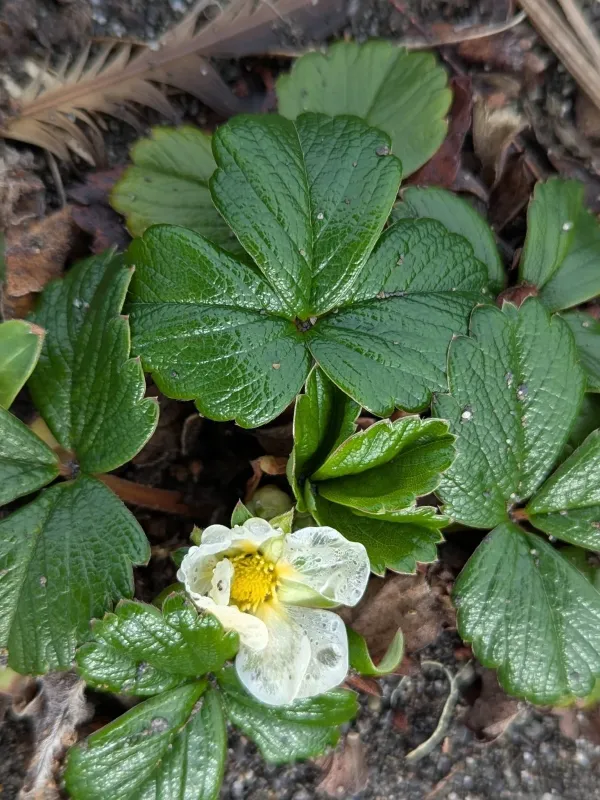
Fragaria × Potentilla is an intergeneric hybrid resulting from crosses between the genera Fragaria (strawberry) and Potentilla (cinquefoil), both members of the Rosaceae family. This hybrid is a botanical curiosity that blends the vegetative characteristics of both parents, often exhibiting resilience typical of wild Potentilla species combined with foliage traits of strawberries.
The crop thrives in sunny, open locations with well-draining soil. It is highly sensitive to waterlogging, which can rapidly lead to root rot and crown decline. Sites should be chosen to ensure optimal solar exposure to facilitate photosynthesis and prevent the elongation of stems and petioles.
Soil requirements focus on fertility and structure; a loamy soil with high organic matter content is ideal. The pH should be slightly acidic, ideally ranging from 5.5 to 6.5, which optimizes the bioavailability of essential macronutrients like nitrogen, phosphorus, and potassium.
In terms of climate, the plant is generally hardy, though it benefits from stable temperature regimes during the dormant season. In regions with severe winters, protective mulching with straw or leaf mold is recommended to safeguard the root system from frost-heave damage.
Maintenance involves balanced irrigation strategies to ensure consistent soil moisture without saturation. Fertilizer application should be carefully managed, focusing on nutrient availability during the peak vegetative stage, while minimizing excessive nitrogen which can promote vegetative growth at the expense of potential reproductive vigor.
Main diseases and pests
Fragaria × Potentilla is prone to common Rosaceae pathogens, including powdery mildew, which can significantly damage leaves during humid summer periods. Proper spacing is essential to encourage air circulation and reduce the duration of leaf wetness.
Leaf spot diseases are also prevalent and can be managed through crop sanitation and the application of appropriate fungicides. Early detection is crucial, as lesions can quickly spread throughout the entire planting if not addressed promptly.
Insect pests such as spider mites are a constant concern in dry, warm climates. These pests feed on the underside of leaves, causing stippling and eventual chlorosis, which significantly reduces the photosynthetic capacity of the plant.
Weevil populations can damage both the root system (as larvae) and the floral parts (as adults). Integrated pest management (IPM) practices, such as the use of biological control agents or targeted systemic treatments, are recommended for large-scale production.
General hygiene, including the removal of dead or diseased biomass after the growing season, is the primary defense against recurring threats. Maintaining soil health and avoiding over-fertilization help build the natural resistance of the plants against environmental stressors and pest attacks.