
Garden strawberry
Fragaria hybrids
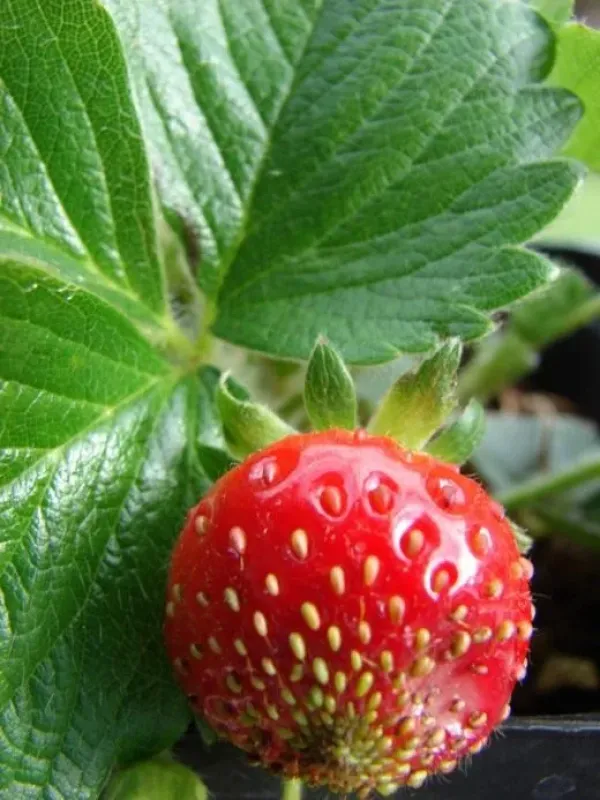
Description
Sowing dates
Garden strawberry, scientifically known as Fragaria hybrids, belongs to the Rosaceae family. It is typically propagated vegetatively using runners, which ensures the preservation of the parent plant's characteristics.
The optimal time for establishing a new strawberry patch is late summer or early autumn. Planting during this period allows the root system to become established before the onset of winter dormancy.
Spring planting is also a viable option, especially when using plug plants or cold-stored dormant runners. This method is common in large-scale commercial farming to manage harvest cycles effectively.
Prior to planting, the soil should be thoroughly cleared of weeds and enriched with organic matter. Proper soil preparation is critical, as strawberries are sensitive to soil structure and competition for nutrients.
A double-row planting system is frequently used in professional cultivation. This arrangement facilitates better air circulation, simplifies harvesting, and allows for efficient irrigation and fertilization.
Growing requirements
Strawberries thrive in full sun, which is essential for maximizing sugar content and fruit quality. Shady areas often result in lower yields and increased susceptibility to fungal diseases.
The soil should be well-drained and slightly acidic, with a pH ranging from 5.5 to 6.5. Sandy loam soils are generally preferred due to their excellent drainage properties and ease of root development.
Consistent moisture is required throughout the growing season, particularly during the flowering and fruit-swelling stages. Drip irrigation is the gold standard for maintaining optimal moisture levels.
Strawberries are heavy feeders and require balanced fertilization containing nitrogen, phosphorus, and potassium. Soil testing before planting is recommended to address any nutrient deficiencies accurately.
Mulching is a standard practice that provides numerous benefits, including weed suppression, moisture retention, and keeping fruit off the soil surface to prevent rot.
Yield
Commercial yields vary significantly depending on the variety and production system. High-intensity hydroponic or tunnel-grown strawberries can produce substantially more than open-field cultivation.
The second year of production typically yields the highest quality fruit. By the third or fourth year, many growers choose to replace the plantation to maintain fruit size and mitigate disease pressure.
Day-neutral cultivars have revolutionized the market by providing fruit throughout the summer and autumn. These varieties allow for an extended harvest season, enhancing profitability for growers.
Proper pruning and runner removal are vital for focusing the plant's energy on fruit production. Excessive runner growth in fruiting fields can lead to overcrowding and reduced berry size.
Pollination is a critical factor for yield. In protected structures, growers often introduce bumblebee hives to ensure efficient pollination, which significantly reduces the number of malformed berries.
Main diseases and pests
Grey mold (Botrytis cinerea) is the most destructive fungal disease for strawberries, particularly in humid conditions. It causes rapid decay of ripening fruit, making consistent monitoring essential.
Powdery mildew is another significant issue, attacking foliage and fruit alike. It is characterized by a white, flour-like coating that hinders photosynthesis and fruit development.
Pests such as spider mites, aphids, and strawberry weevils can cause substantial damage. Integrated Pest Management (IPM) strategies, including the use of beneficial insects, are highly recommended.
Root diseases, such as Phytophthora and Verticillium wilt, can devastate entire fields. Using certified disease-free planting stock is the most effective preventative measure against these soil-borne pathogens.
- Grey mold
- Powdery mildew
- Spider mites
- Phytophthora root rot
Harvesting
Harvesting is a manual process requiring careful handling. Berries should be picked when they reach the desired stage of ripeness, ensuring the calyx remains attached to preserve shelf life.
Early morning harvests are preferred to ensure the fruit is cool, which reduces respiration rates and helps maintain quality during transit to the market.
Sorting should occur during or immediately after picking to remove any damaged or overripe fruit. Proper packaging is essential for preventing bruising and ensuring an attractive presentation.
Temperature management post-harvest is crucial. Quick cooling of the strawberries to 0-2 degrees Celsius is necessary to maintain their freshness for up to several days.
Post-harvest care of the plantation, including leaf mowing and fertilization, is necessary to prepare the plants for winter and ensure a strong start for the following season.