
Fossombronia pusilla
Fossombronia pusilla
Description
Growing requirements
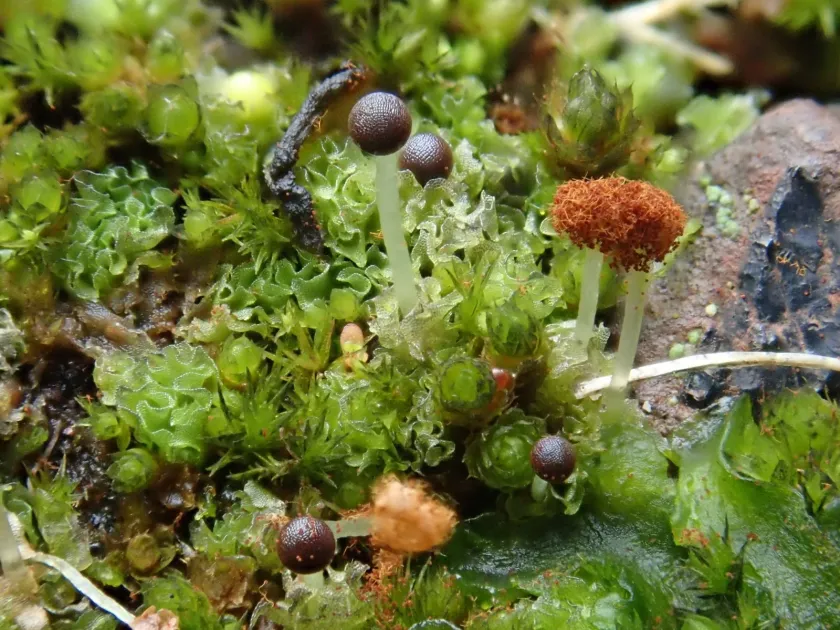
Fossombronia pusilla, commonly known as the small frillwort, is a member of the Fossombroniaceae family. It is a liverwort species, which means it lacks a vascular system and relies on moist environments for its lifecycle and nutrient absorption.
The plant grows as a small rosette with thin, leaf-like flaps that spread across the soil surface. This structure allows the liverwort to maximize its surface area for capturing light and moisture in its immediate micro-environment.
Optimal growth for this species is strictly linked to high soil and air humidity. It thrives in habitats where the soil remains consistently damp, often found in fields, ditches, and near paths where water drainage is slow.
Light requirements are moderate, as the species prefers open areas with dappled sunlight. Excessively dark conditions under dense canopy or thick vegetation cover will inhibit its photosynthetic processes and overall development.
The soil preference for Fossombronia pusilla includes nutrient-rich, neutral to slightly acidic substrates. It does not require high levels of minerals but benefits significantly from soil that maintains high moisture retention throughout the growing season.
Main diseases and pests
Chemical pollutants are the primary threat to this liverwort species. Due to its direct exposure to the environment, it absorbs contaminants directly through its tissue, which can be lethal at concentrations that are harmless to higher plants.
Intensive agricultural practices represent a significant danger. The application of herbicides, fungicides, and systemic pesticides disrupts the physiological balance of the bryophyte, often leading to rapid population decline.
Landscape drainage and land reclamation projects pose a severe risk by altering the moisture levels required for the survival of the species. When the soil surface dries out, the liverwort's tissues lose their vitality within days.
Competition from fast-growing weeds can suppress Fossombronia pusilla by reducing its access to essential resources. When surrounding vegetation becomes too dense, the liverwort is starved of the light required for energy production.
Physical disturbances, including deep plowing and tilling, destroy the delicate rosette structure and the colonial growth pattern of the species. This prevents the establishment of new colonies and interrupts the dispersal of spores.