
Foleyola billotii
Foleyola billotii
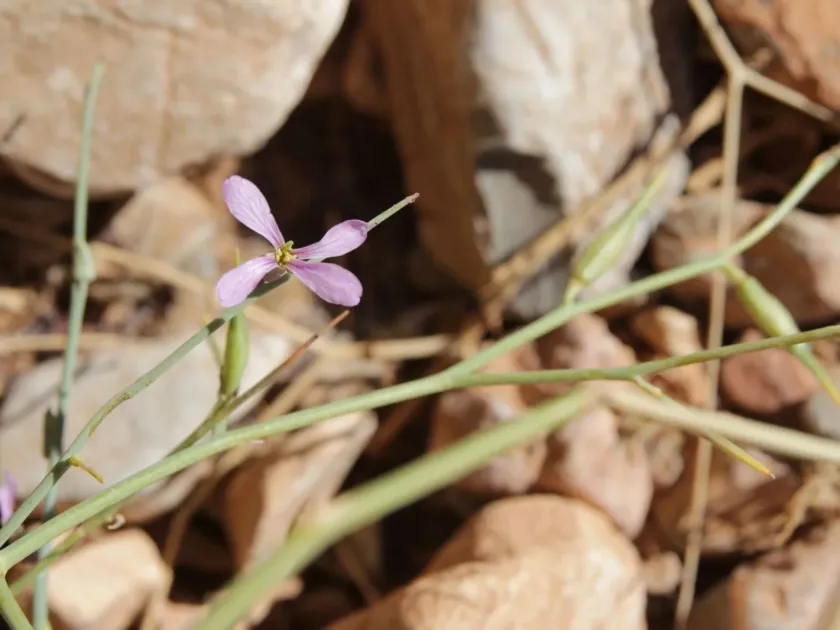
Description
Sowing dates
Foleyola billotii is an annual herbaceous plant that is native to arid and semi-arid regions. In agricultural settings, sowing is typically timed to coincide with the onset of cooler, moister seasons to ensure successful germination and early establishment of the root system.
The seeds are small and require precise placement in the soil. A seeding depth of 1-2 centimeters is ideal, as deeper planting can prevent the delicate seedlings from successfully emerging through the soil surface in their natural habitat or under cultivation.
Row spacing should be carefully calculated to minimize plant-to-plant competition. Adequate spacing ensures that each individual plant has sufficient access to nutrients and light, which is crucial for the development of a healthy and uniform crop.
Germination is temperature-sensitive. Maintaining soil temperatures within the range of 15 to 20 degrees Celsius is recommended for maximizing the emergence rate. Soil moisture levels should be kept consistent but not excessive during the germination period.
Initial thinning may be necessary if the seeding density is too high. Proper management at the seedling stage sets the foundation for the overall vigor of the crop and its subsequent ability to produce a reliable harvest.
Growing requirements
This species thrives in well-drained, sandy, or rocky soils. It is highly adapted to soils with low organic matter content, reflecting its natural occurrence in sparsely vegetated environments where nutrient availability is limited.
Full sun exposure is a mandatory requirement for Foleyola billotii. The plant does not tolerate shading, and even partial cover can lead to etiolation, reduced photosynthetic capacity, and ultimately, a significant decline in seed yield.
Climatic requirements involve a preference for temperate to warm conditions without extreme temperature fluctuations. The plant is drought-tolerant, but supplemental irrigation during peak growth stages can significantly enhance vegetative development.
Soil pH should ideally be neutral or slightly alkaline. The species is sensitive to acidic soil conditions, which can inhibit nutrient uptake and increase the risk of heavy metal toxicity, particularly in sensitive cultivars.
Fertilization should be applied cautiously. An excess of nitrogen-based fertilizers can stimulate unwanted vegetative growth at the expense of reproductive development, potentially reducing the overall efficiency of the crop cycle.
Main diseases and pests
Fungal pathogens represent the most significant threat to Foleyola billotii, particularly in environments with high humidity or poor drainage. Root rots and damping-off disease are common issues that can affect stands.
Insects, particularly those belonging to the flea beetle complex, pose a major risk to young plants. These pests can rapidly defoliate seedlings, leading to high plant mortality if not managed promptly through integrated pest control strategies.
Aphid infestations may occur during the flowering stage, causing deformation of the reproductive structures and reducing the quality of the harvested seeds. Regular monitoring is essential to detect early outbreaks.
Integrated Pest Management (IPM) is the most effective approach for this crop. It combines cultural practices, such as proper crop rotation, with the judicious use of biological control agents to minimize chemical inputs.
Sanitation practices, including the removal of infected plant debris and the control of weeds that serve as alternate hosts for pathogens and pests, are crucial components of maintaining a healthy and productive crop.
Harvesting
The harvest period is determined by the physiological maturity of the seed pods. Ideally, harvesting should occur when the pods are fully formed and dry, but before they undergo natural dehiscence and seed shedding.
Mechanical harvesting requires careful adjustment of equipment settings to prevent seed damage. The brittle nature of the pods at maturity necessitates a gentle handling process to maximize yield and purity.
Post-harvest processing involves cleaning the seeds to remove debris and fine soil particles. Proper cleaning is vital for both the market value of the crop and the longevity of the seeds during subsequent storage.
Drying the harvested material is a critical step in preserving seed quality. It should be performed in a cool, well-ventilated area away from direct sunlight to prevent the oxidative degradation of stored nutrients.
Finally, storing the seeds in cool, dry conditions with controlled humidity levels will ensure that the seed viability remains high for future planting cycles, minimizing the need for frequent replacement of the seed stock.