
Broadleaf Florestina
Florestina latifolia
Description
Growing requirements
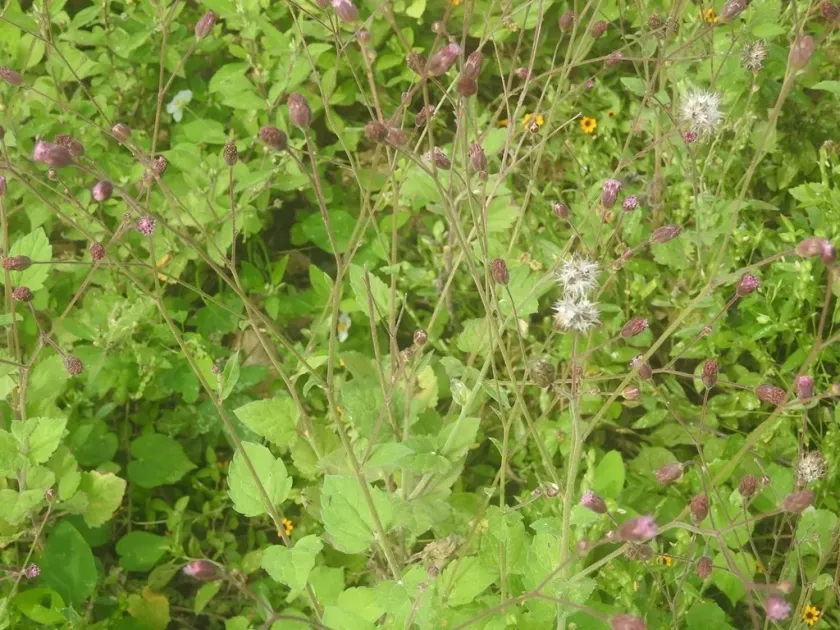
Broadleaf Florestina (Florestina latifolia) is an interesting member of the Asteraceae family. This herbaceous species is characterized by its broad foliage and specific requirements for its native or naturalized environments.
The plant thrives in well-drained, fertile soils that provide consistent access to micronutrients. It prefers sunny locations and requires protection from extreme weather conditions, particularly heavy rainfall which can damage the canopy.
Regarding climate, this species prefers warm temperate environments. It is essential to ensure that the frost-free season is long enough to allow the plant to complete its reproductive cycle effectively.
Soil structure should be friable and light to allow for deep root penetration. Compaction is a major enemy for this species, as it restricts the growth of the root system and reduces nutrient uptake efficiency.
For optimal results, irrigation strategies should focus on maintaining a constant, moderate soil moisture level, avoiding both waterlogging and prolonged desiccation of the upper soil layers.
Main diseases and pests
The primary threats to Florestina latifolia include fungal infections such as root rot and wilt, which are typically triggered by poor drainage and excessive moisture management.
Pests such as aphids and leaf miners often target the foliage during the vegetative stage. These infestations can weaken the plant's overall vigor and reduce its ability to bloom effectively.
Integrated pest management, including the introduction of beneficial insects or the use of organic deterrents, is recommended to maintain the health of the crop without excessive chemical usage.
Monitoring the undersides of leaves is a crucial agricultural practice, as this is where many soft-bodied pests congregate during the early stages of their life cycle.
Crop rotation protocols should be strictly followed to prevent the accumulation of soil-borne pathogens, which can persist in the soil for several seasons after the crop is harvested.