
Episcia cupreata
Episcia cupreata (Hook.) Hanst.
Description
Growing requirements
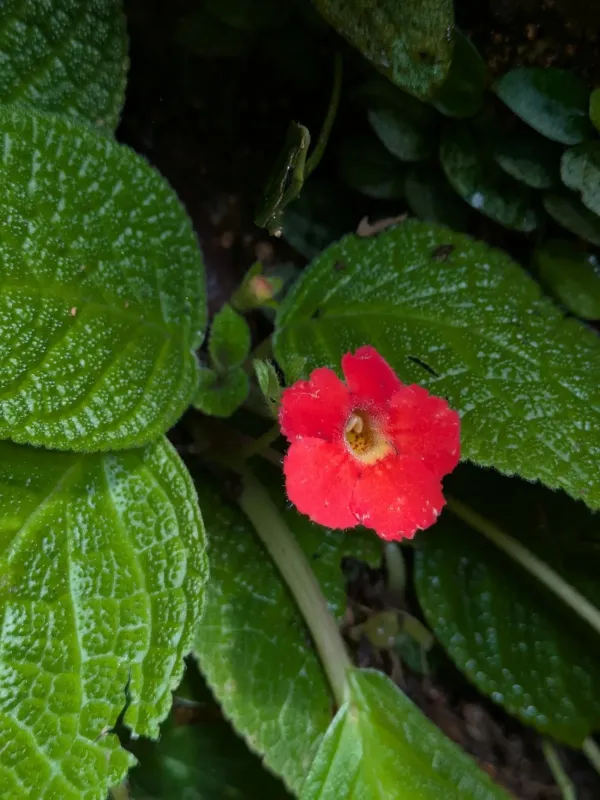
Episcia cupreata is an ornamental plant belonging to the Gesneriaceae family, widely recognized for its striking, copper-colored, textured foliage. In commercial horticulture, it is highly valued for its aesthetic appeal in botanical gardens and interior landscaping.
The plant originates from the tropical regions of Central and South America, specifically thriving in Brazil and Colombia. It typically grows in forest understories, which defines its preference for high humidity and filtered or indirect lighting conditions.
Botanically, this species is characterized by creeping stems that produce stolons, allowing for efficient asexual reproduction. The leaves are ovate to elliptic, featuring a velvety texture with unique bronze, copper, or metallic green patterns that vary by cultivar.
To cultivate Episcia successfully, growers must provide a consistent temperature range of 20°C to 26°C. The species is highly sensitive to cold air drafts and rapid temperature fluctuations, which can lead to tissue damage and rapid plant decline.
The substrate for optimal development should be peat-based, well-draining, and rich in organic matter. A soil pH between 5.5 and 6.5 is ideal, ensuring that nutrients remain available for root uptake without inducing nutrient lockout or salt accumulation.
Main diseases and pests
Common pests affecting Episcia cupreata include spider mites, mealybugs, and aphids. These insects tend to colonize the undersides of leaves and stems, causing yellowing and stunted growth if not addressed with appropriate horticultural soaps or systemic insecticides.
Pathogenic threats are dominated by fungal issues such as Botrytis, Phytophthora, and various crown rots. These diseases are almost exclusively triggered by improper watering practices, specifically keeping the soil waterlogged for extended periods.
Environmental stress symptoms include brown leaf margins and scorched foliage, often caused by direct exposure to intense sunlight or low humidity. Ensuring an ambient relative humidity above 60% is essential for maintaining healthy leaf turgor and vitality.
Management of these threats involves a combination of cultural practices, such as proper spacing for air circulation, and chemical control when necessary. Always apply treatments in the evening or early morning to prevent light-induced phytotoxicity.
Integrated pest management protocols suggest frequent monitoring for early signs of infestation. Since the leaves are delicate and pubescent, oil-based sprays should be used with extreme caution to avoid clogging stomata or damaging the leaf surface texture.