
Streptosolen
Streptosolen jamesonii (Benth.) Miers
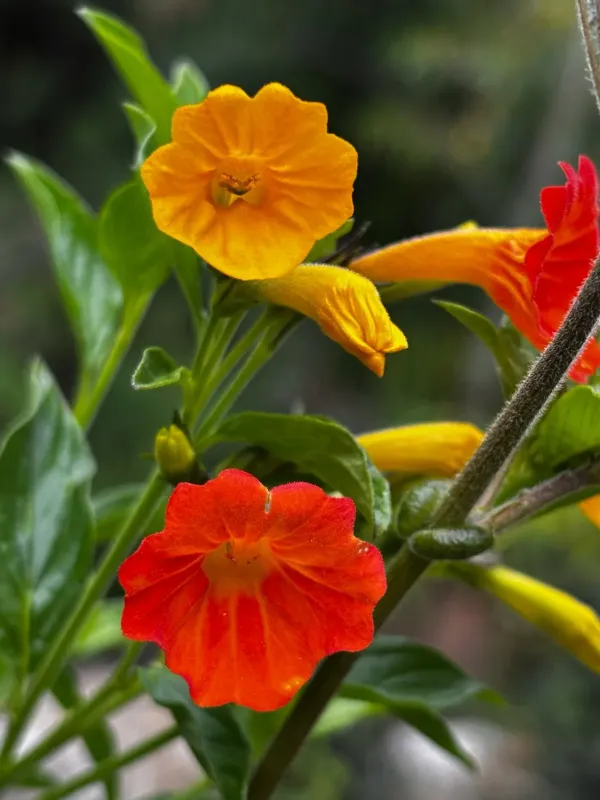
Description
Growing requirements
Streptosolen jamesonii is an evergreen shrub belonging to the Solanaceae family, native to the Andes regions of Colombia, Ecuador, and Peru. It is widely cultivated for its vibrant, multi-colored trumpet-shaped flowers that transition from yellow to orange and red.
This plant thrives in bright, filtered light. While it enjoys a sunny position, harsh afternoon sunlight can cause leaf scorch, especially in dry climates. Ensuring high levels of light is essential for maintaining the plant's natural compact habit and rich blooming.
The soil requirements focus on fertility and drainage. A rich, loamy potting mix supplemented with perlite or coarse sand is recommended to ensure that the roots do not remain waterlogged, which is the primary cause of decline in this species.
Temperature management is vital for Streptosolen. It performs best in moderate temperatures between 18°C and 24°C during the growing season. A cooler winter period (around 10°C–15°C) is essential to trigger the dormancy required for spring flower bud development.
Cultural practices include consistent watering during the peak growing season, allowing the soil surface to dry slightly between sessions. Additionally, regular light pruning after flowering encourages bushiness and ensures a flush of new growth for future blooms.
Main diseases and pests
Spider mites are a common pest in indoor environments where the air is dry and warm. These pests thrive on the underside of leaves, causing speckling and webbing, which necessitates regular misting and occasional acaricide applications to manage the population.
Whiteflies can also infest the foliage, particularly in greenhouse conditions. They suck sap from the leaves, leading to weakened plants and the potential transmission of secondary viral infections, requiring the use of targeted systemic insecticides.
Root rot is the most common pathology associated with improper irrigation. If the plant is allowed to sit in standing water, the roots will quickly decay, leading to irreversible wilting and eventual death of the specimen, making drainage a top priority.
Aphids tend to cluster on young, tender growth and flower buds. They reduce the plant's vigor and can lead to distorted leaves. Manual removal or soft insecticidal soaps are effective methods for keeping the infestation under control.
Botrytis, or gray mold, may occur if the plant is kept in an environment with poor air circulation and high humidity. It manifests as fuzzy gray patches on leaves and stems, requiring improved ventilation and the removal of all affected plant material.