
Finlaysonia obovata
Finlaysonia obovata
Description
Growing requirements
Finlaysonia obovata is a woody vine belonging to the Apocynaceae family. It is a specialized mangrove species adapted to tidal environments where it thrives in brackish water conditions.
The native distribution of this plant includes the tropical coastal regions of Southeast Asia, ranging from India through Vietnam to Northern Australia. It is predominantly found in tidal creeks and mangrove forest fringes.
The cultivation of this plant requires specific environmental parameters, primarily high-salinity tolerance and silty, nutrient-rich substrates. It is a highly specialized species that functions best in its native estuarine habitats.
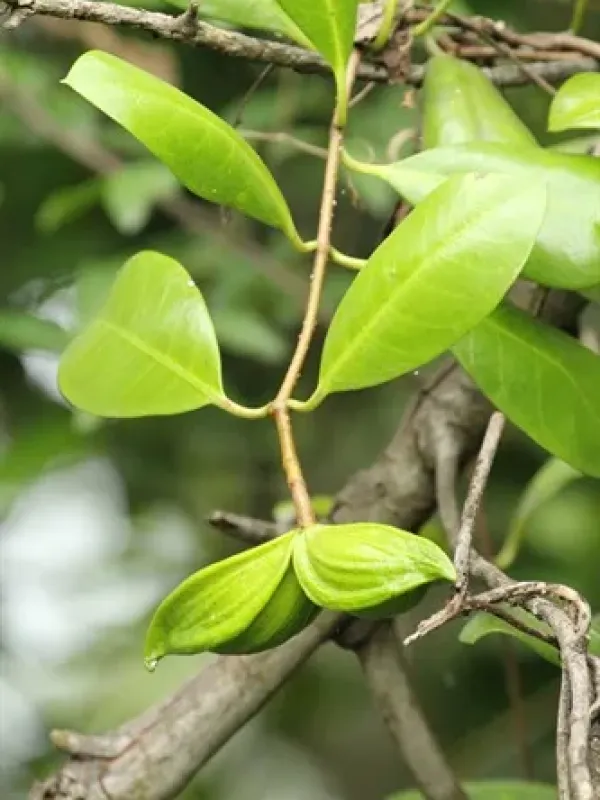
Botanically, it is recognized by its obovate leaves and climbing habit. The plant is structurally designed to handle tidal inundation, which is essential for its survival in the fluctuating water levels of its native environment.
Economically, it is valued for its potential medicinal properties in local communities and for its vital ecological service in stabilizing coastal sediment and preventing erosion in mangrove zones.
Main diseases and pests
The primary threat to Finlaysonia obovata is the widespread conversion of mangrove forests into aquaculture farms, particularly shrimp ponds, which destroys the habitat required for the plant's survival.
Additionally, the plant is threatened by pollution, including plastic waste and industrial chemical discharge into estuaries, which negatively impacts the delicate balance of the salt-tolerant ecosystems where this vine persists.