
Ficus wildemaniana
Ficus wildemaniana
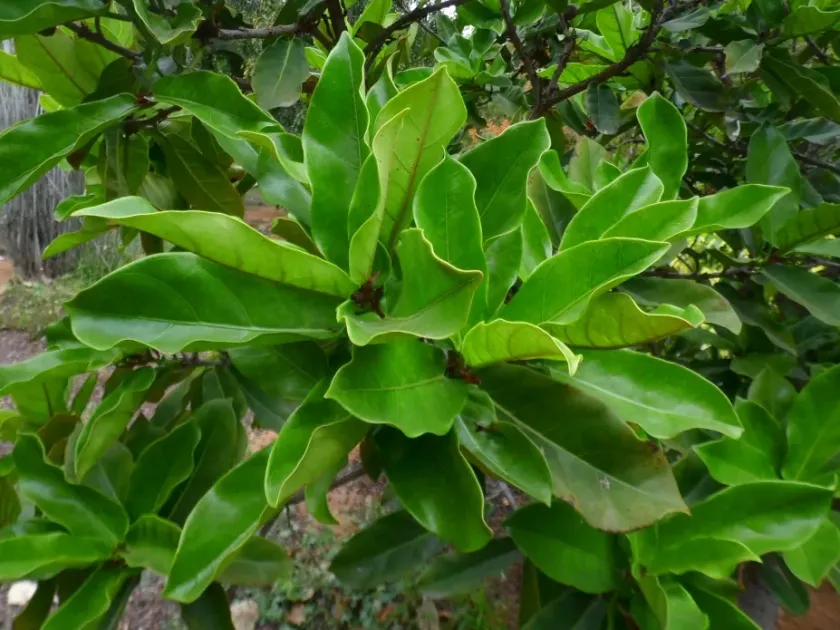
Description
Growing requirements
Ficus wildemaniana belongs to the Moraceae family, a group of plants widely known for their resilience in tropical environments. Originating from the dense forests of Central Africa, this species is highly valued for its aesthetic appeal and robust foliage.
Environmental conditions play a crucial role in the development of this plant. It thrives in temperatures between 22 and 26 degrees Celsius, requiring a stable climate free from cold drafts which can severely impact its growth rate and vitality.
The plant prefers indirect light conditions. While it is adapted to the dim light of a forest canopy, it requires consistent brightness to maintain its deep leaf coloration without suffering from the scorching effects of direct afternoon sunlight.
Soil composition should be highly porous and rich in organic matter. A mixture consisting of high-quality peat, coco coir, and perlite ensures that the root system receives sufficient oxygen while retaining the necessary levels of moisture.
Watering frequency should be adjusted according to seasonal changes and ambient humidity levels. It is essential to ensure that the potting medium remains consistently moist, yet never waterlogged, to prevent physiological stress or decay.
Main diseases and pests
Common pests affecting Ficus wildemaniana include spider mites, scale insects, and mealybugs. These pests thrive in dry indoor conditions, making regular leaf inspections and misting essential parts of the maintenance routine.
Fungal diseases are generally linked to poor air circulation and excessive moisture. Leaf spot and root rot are the most common ailments that can compromise the plant's health if the growth environment is not managed carefully.
To maintain plant health, it is recommended to apply fertilizers sparingly during the active growth season. Excessive nitrogen can lead to soft, succulent growth that is more susceptible to insect attacks and physical damage.
Sanitation practices are vital for preventing the spread of diseases within a collection. Always sanitize pruning tools before and after usage to prevent cross-contamination between healthy and stressed specimens.
Early detection is the most effective defense against pests and diseases. By observing the plant closely for any signs of yellowing, spots, or webbing, growers can intervene quickly with appropriate horticultural treatments.