
Ficus trigonata
Ficus trigonata
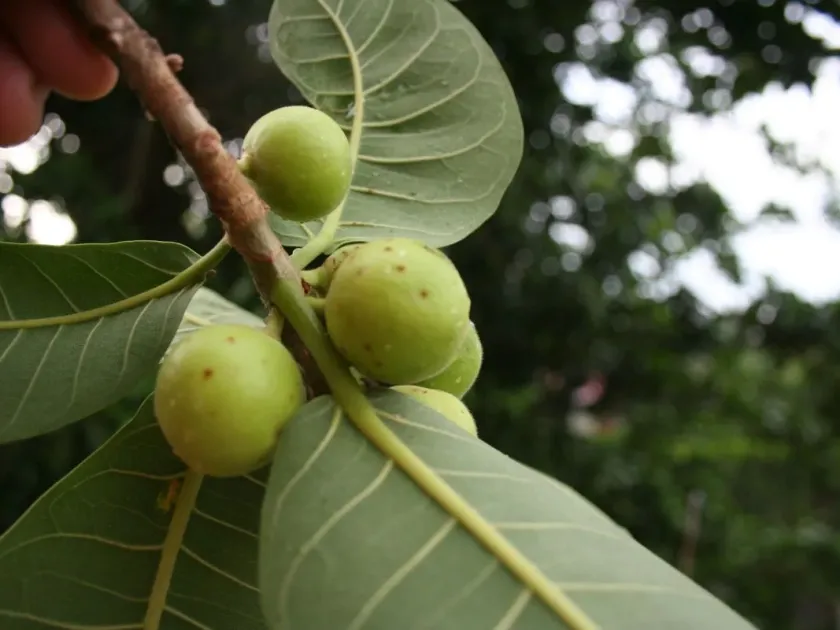
Description
Growing requirements
Ficus trigonata is a robust evergreen tree belonging to the Moraceae family. In its native tropical habitat, it often exhibits epiphytic growth habits in its early stages before developing into a massive tree with a dense crown and a significant root system adapted for resource competition in rainforest environments.
The native range of this species encompasses the tropical zones of Central and South America. As a tropical crop, it thrives in environments characterized by consistently high humidity and warm temperatures, which are essential for maintaining active metabolism and ensuring the continuous development of its broad, waxy leaves.
Optimal growth temperatures for Ficus trigonata range between 22 and 28 degrees Celsius. The plant is highly sensitive to cold, and exposure to temperatures below the threshold can lead to severe physiological stress, leaf drop, and potential mortality. Therefore, controlled environmental conditions in greenhouses are mandatory.
The soil substrate must be porous and well-draining to prevent root asphyxiation, a common issue in heavier soils. A mix of organic matter, peat, and coarse sand or perlite is generally recommended to provide the necessary structure that balances moisture retention with essential aeration for the root zone.
Lighting requirements involve bright, indirect sunlight. While the species is accustomed to the light levels of tropical canopies, excessive direct solar radiation can damage the leaf tissue, causing chlorosis or necrotic patches. Implementing shade cloth is a standard practice in greenhouse operations to manage light exposure.
Main diseases and pests
The primary threats to the health of Ficus trigonata are fungal pathogens, specifically those causing root rot and leaf spot diseases. These conditions are predominantly induced by overwatering and poor drainage, which foster an environment suitable for pathogen proliferation in the root zone and around the stem base.
Common horticultural pests associated with this species include spider mites, which thrive in low-humidity conditions, as well as scale insects and mealybugs. These pests sap the plant's vitality and produce honeydew, which can further encourage the growth of sooty mold, leading to additional leaf surface issues.
Managing these threats requires an integrated pest management (IPM) approach. Regular monitoring of the foliage and stems allows for early detection of pest colonies, which can then be addressed with specific acaricides or systemic insecticides to prevent large-scale outbreaks within a greenhouse facility.
Preventative care against disease involves ensuring optimal airflow within the growing space, as stagnant, humid air is a significant contributor to fungal infections. Disinfecting pruning tools between uses is a critical hygiene practice that minimizes the transmission of pathogens during routine maintenance and shaping.
Nutrient management is also essential for disease prevention, as a well-fertilized plant displays stronger natural resistance. Maintaining an appropriate balance of nitrogen, phosphorus, and potassium, along with necessary micronutrients, ensures that the plant has the metabolic capacity to resist or recover from minor pest and disease pressures.