
Ficus trigona
Ficus trigona
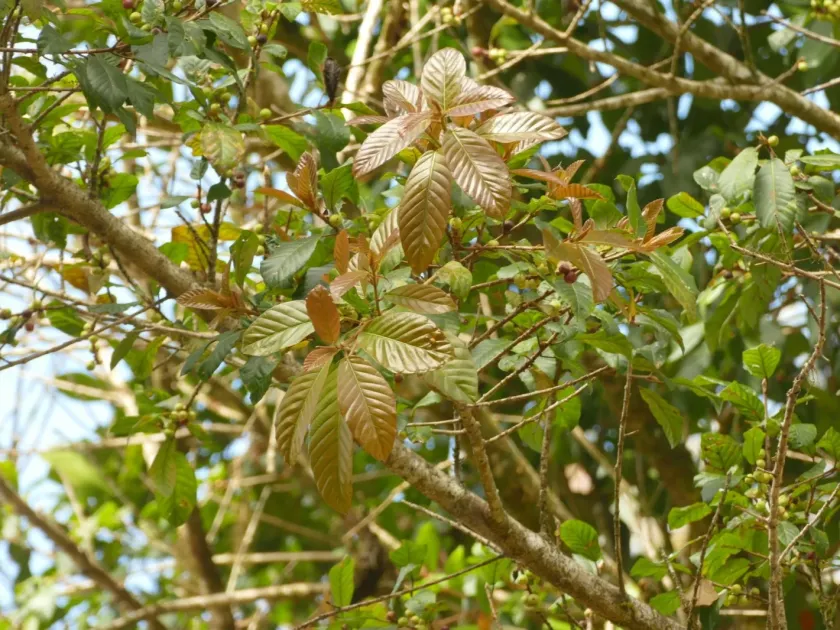
Description
Growing requirements
Ficus trigona is a distinctive evergreen tree belonging to the Moraceae family. It is native to the lush, tropical ecosystems of South America, primarily flourishing in the humid lowland forests of the Amazon basin.
This plant thrives in tropical temperatures ranging from 22 to 28 degrees Celsius. Consistent warmth is essential, as the species is highly sensitive to cold spells and thermal shocks, which can result in rapid defoliation and tissue necrosis.
Soil requirements involve a nutrient-rich, well-draining substrate with a slightly acidic to neutral pH. Incorporating organic matter such as compost or peat is recommended to maintain the moisture retention necessary for healthy root expansion.
Light intensity should be managed carefully; while Ficus trigona enjoys bright conditions, it is adapted to filtered forest light. Excessive direct sunlight can damage foliage, while insufficient light leads to elongated internodes and weak structural growth.
Regular irrigation is required to maintain soil moisture, yet standing water must be strictly avoided. Implementing a precise watering schedule based on soil moisture monitoring prevents the development of physiological stress in the plant.
Main diseases and pests
Spider mites are the most persistent pests for Ficus trigona. These microscopic arthropods thrive in dry air conditions, feeding on the undersides of leaves and leading to chlorosis and general plant decline if left unmanaged.
Mealybugs pose a significant threat by clustering in branch crotches and leaf axils. They produce a sticky honeydew that fosters the growth of sooty mold, further interfering with the plant's photosynthetic capacity.
Root rot is the most common pathology, typically triggered by overwatering or poorly drained substrates. Pathogens such as Pythium and Phytophthora can compromise the root system, eventually leading to systemic collapse.
Leaf spot diseases, caused by various fungal pathogens, appear during periods of high humidity and poor air circulation. Symptoms include irregular dark lesions on the leaf surface that expand under favorable environmental conditions.
Integrated Pest Management (IPM) strategies, including periodic scouting, the use of biological control agents, and the judicious application of targeted pesticides, are necessary to maintain crop health and vitality.