
Ficus subcuneata
Ficus subcuneata
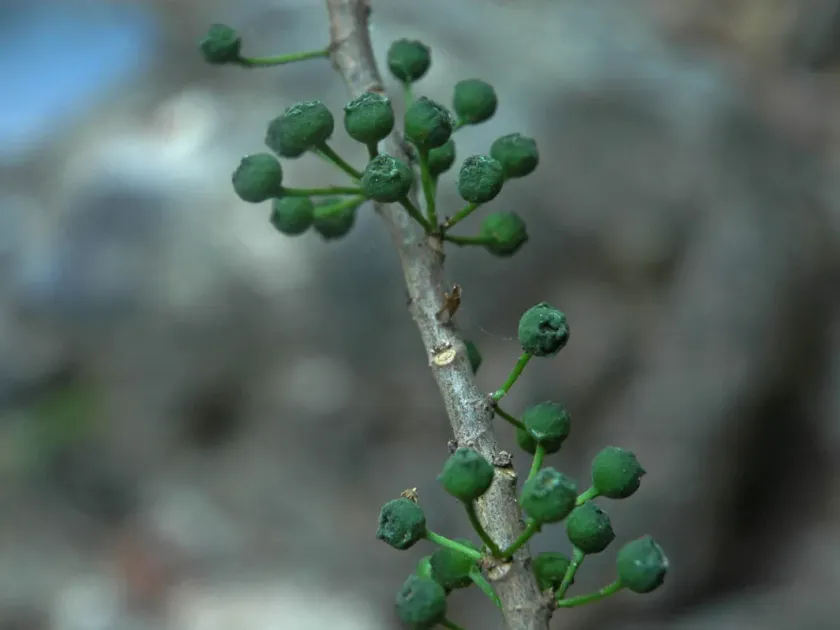
Description
Growing requirements
Ficus subcuneata is a distinctive species within the Moraceae family, naturally occurring in tropical rainforest environments. This woody plant species is characterized by its robust growth pattern and specific leaf morphology, which features a wedge-shaped base contributing to its scientific nomenclature.
The plant thrives in regions with consistent tropical climates, requiring high ambient humidity and temperatures generally ranging between 22 and 28 degrees Celsius. Providing a stable environment is essential to prevent physiological stress, which can lead to leaf drop or stunted development.
Regarding soil requirements, this Ficus prefers well-draining, nutrient-rich substrates that mimic the floor of a tropical forest. A soil mix containing organic peat, perlite, and bark is ideal to ensure proper aeration and moisture retention while preventing the risk of waterlogging.
In terms of light exposure, Ficus subcuneata requires bright, indirect light to maintain its foliage density. Prolonged exposure to harsh, direct sunlight can result in phototoxicity, while insufficient lighting typically causes elongated, weak stems and a significant reduction in overall plant vigor.
From a хозяйственное usage perspective, this plant is primarily utilized in ornamental horticulture. Its aesthetic value, combined with its ability to adapt to container-based cultivation, makes it a popular choice for indoor landscaping, conservatory displays, and tropical botanical exhibits.
Main diseases and pests
Common pests affecting Ficus subcuneata include spider mites, mealybugs, and scale insects, which frequently target the underside of leaves and succulent stems. Early detection through regular monitoring is key to preventing widespread infestations that can damage the plant's structural integrity.
Pathogenic threats primarily involve fungal root rot and leaf spot diseases triggered by improper watering practices or inadequate air circulation. Implementing a rigorous irrigation schedule and maintaining optimal humidity levels are the primary cultural methods for managing these common health risks.