
Ficus pseudopalma
Ficus pseudopalma
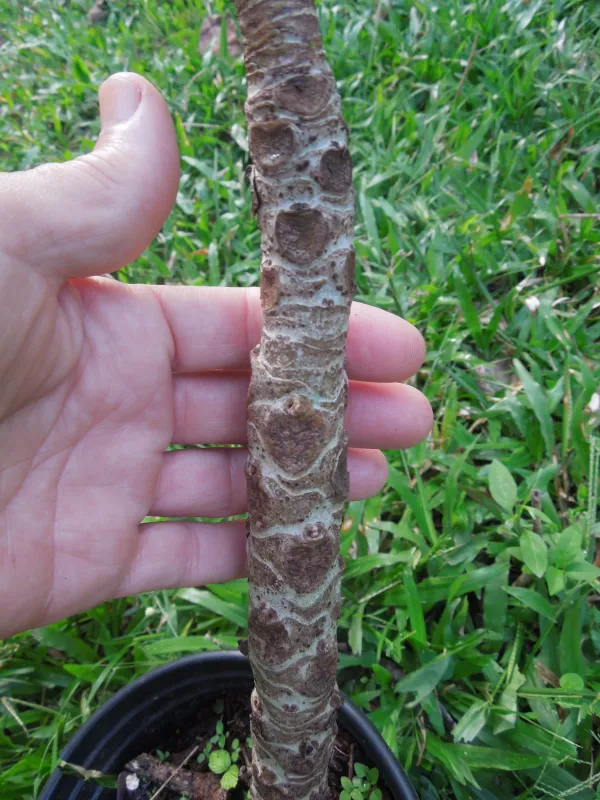
Description
Growing requirements
Ficus pseudopalma, a member of the Moraceae family, is a distinct species native to the Philippines. Its common name stems from its unique morphology, featuring long, narrow, lanceolate leaves arranged in a terminal rosette, giving the appearance of a palm tree.
This crop requires a tropical environment to thrive, preferring temperatures between 22°C and 30°C. It is sensitive to cold stress and should be protected from temperatures below 15°C to avoid metabolic disruption and potential foliage loss.
The soil requirements prioritize excellent drainage. A substrate rich in organic matter, such as a mix of peat, bark, and perlite, is ideal. Providing proper aeration prevents the compaction of the root zone, which is a common cause of poor development.
Regarding cultural management, consistent moisture is essential. While the plant can withstand short periods of dryness, it performs best when the soil is kept evenly moist. High ambient humidity is crucial for maintaining leaf health and preventing tips from turning brown.
In terms of agricultural use, it is highly valued for ornamental horticulture and landscape design. Beyond its aesthetics, its leaves are traditionally utilized in folk medicine, indicating potential phytochemical value that warrants further scientific research.
Main diseases and pests
Spider mites are the most persistent pest for Ficus pseudopalma. These microscopic arachnids thrive in dry conditions and can cause severe chlorosis, often resulting in the foliage losing its characteristic deep green color and vigor.
Scale insects present a significant threat to the plant's health. By attaching themselves to the stems and the undersides of leaves, they drain vital sap. Effective control requires systemic insecticides that travel through the plant's vascular system.
Root rot caused by Phytophthora or Pythium species is a major risk, primarily linked to overwatering or poor drainage. Once established, this condition is often fatal, making the prevention of waterlogged soil the primary line of defense.
Fungal leaf spot diseases may appear during periods of high humidity combined with poor ventilation. Regular inspection and the removal of infected leaves are critical management practices to stop the spread of spores within the crop.
Mealybugs can cluster in leaf axils, producing a white, cottony substance that protects them from direct sprays. Integrated pest management strategies, including the use of horticultural oils, are effective when applied at the first sign of infestation.